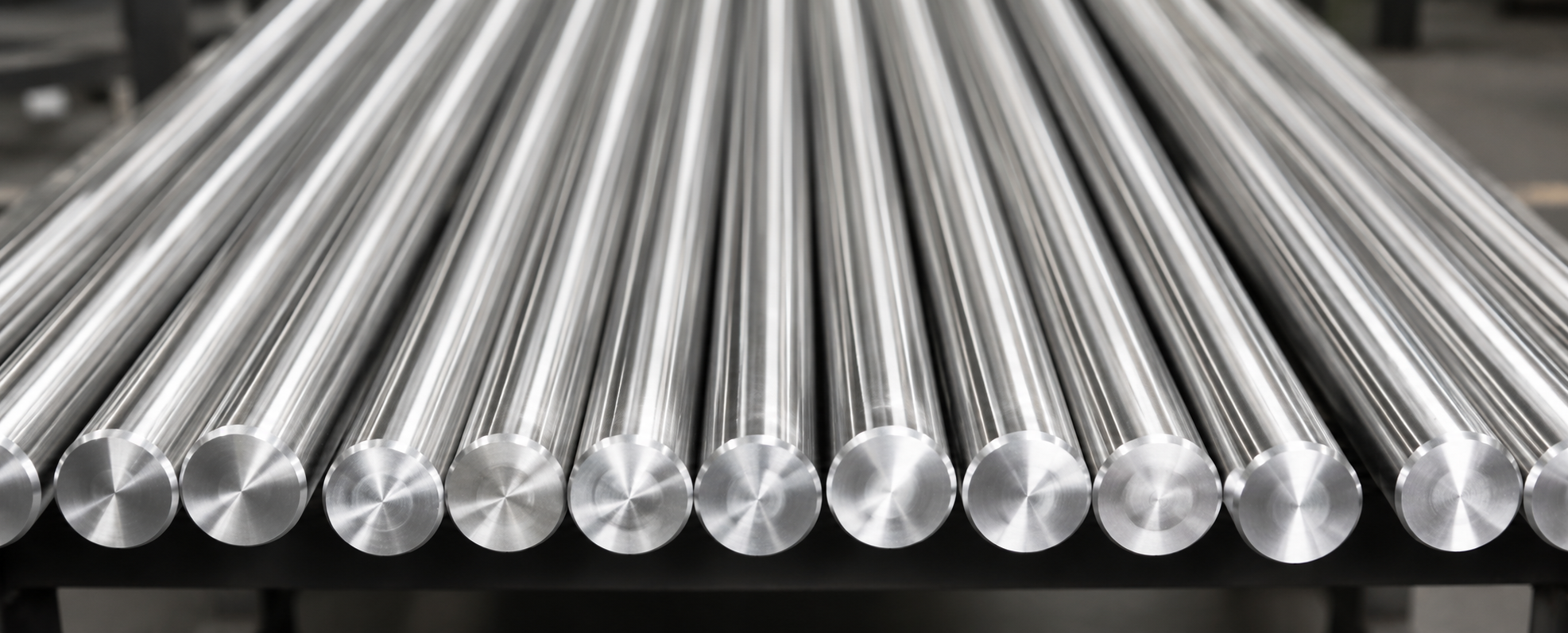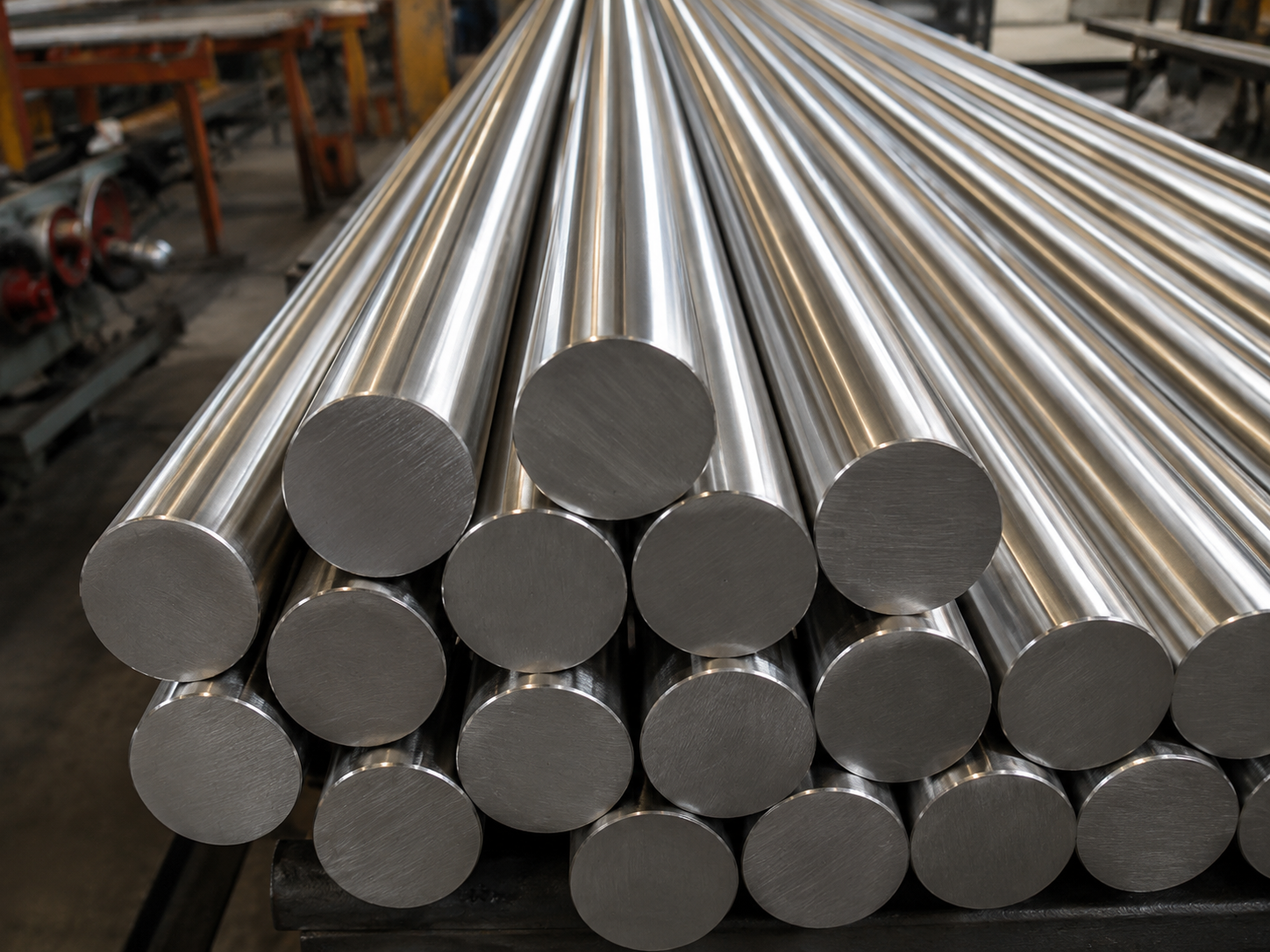
Nickel alloy MAR-M509
General Technical Characteristics
MAR-M509 is a high-temperature cast cobalt-based alloy designed for manufacturing components used in the hot sections of gas turbine engines and power generation equipment. The material belongs to the group of heat-resistant superalloys characterized by high resistance to oxidation, hot corrosion, and mechanical loads at elevated temperatures.
Cobalt forms the base of the alloy, while its main alloying elements include chromium, nickel, tungsten, and tantalum. Additional alloying with titanium, zirconium, and carbon promotes the formation of carbide phases, which strengthen the microstructure and improve high-temperature performance.
MAR-M509 is primarily manufactured using vacuum casting processes. The material is suitable for producing complex-shaped castings that operate under intense thermal exposure and in aggressive gaseous environments. Its indicative service temperature can reach up to 1050°C, depending on component design and operating conditions.
Chemical Composition
Nominal chemical composition of MAR-M509, wt. %:
| Element | Content |
|---|---|
| Cobalt (Co) | Balance |
| Chromium (Cr) | 23.0–24.0 |
| Nickel (Ni) | 9.0–11.0 |
| Tungsten (W) | 6.5–7.5 |
| Tantalum (Ta) | 3.0–4.0 |
| Carbon (C) | 0.55–0.65 |
| Zirconium (Zr) | 0.3–0.6 |
| Titanium (Ti) | 0.15–0.25 |
| Silicon (Si) | ≤ 0.4 |
| Manganese (Mn) | ≤ 0.1 |
| Iron (Fe) | ≤ 1.5 |
| Boron (B) | ≤ 0.01 |
The composition is based on typical data for MAR-M509. Permissible values for individual elements may vary depending on the technical specification and manufacturer. The actual chemical composition must be confirmed by the quality certificate for the specific melt.
Mechanical and Operating Properties
MAR-M509 is characterized by high-temperature strength and the ability to retain its mechanical properties under prolonged exposure to elevated temperatures. The alloy is strengthened through a combination of solid-solution alloying and the formation of carbide phases based on chromium, tantalum, titanium, and zirconium.
Its main operating properties include:
- High strength at elevated temperatures;
- Resistance to oxidation;
- Resistance to hot corrosion;
- Good thermal fatigue resistance;
- Microstructural stability during prolonged heating;
- High wear resistance;
- Suitability for manufacturing complex cast components.
Indicative mechanical properties at room temperature after heat treatment include an ultimate tensile strength of approximately 780 MPa, a yield strength of approximately 465 MPa, and elongation of approximately 5%. Actual values depend on the material condition and testing procedures.
Applications
MAR-M509 is widely used in the aerospace, power generation, and gas turbine industries for manufacturing:
- Gas turbine nozzle and guide vanes;
- Hot gas path components;
- Turbine engine parts;
- Combustion chamber components;
- Heat-resistant cast housings and structural elements;
- Power equipment components operating at elevated temperatures.
The material is particularly востребован for components exposed to hot gases, cyclic thermal loads, and aggressive combustion products.
Alloy Features
The main advantage of MAR-M509 is its combination of high-temperature strength and resistance to high-temperature corrosion. Its significant chromium content promotes the formation of a protective oxide layer, while tungsten and the cobalt-based matrix help maintain strength at elevated temperatures.
Tantalum, titanium, zirconium, and carbon contribute to the formation of carbide phases, improving resistance to deformation and wear. The casting process makes it possible to produce components with complex geometries designed for demanding high-temperature operating conditions.
Buy MAR-M509 Alloy from ASYNT.NET
ASYNT.NET supplies heat-resistant alloys for the aerospace, power generation, and industrial sectors. To check the availability of MAR-M509, available supply forms, chemical composition, and technical specifications, contact our specialists. We will help you select the material according to your production requirements.