


Thermobimetallic Strip: Technical Characteristics, Applications, and Features
General Technical Characteristics
A thermobimetallic strip is a composite material consisting of two metals with different coefficients of thermal expansion. This unique property allows it to change shape in response to temperature variations, making it ideal for use in temperature-sensitive applications. The main characteristics of a thermobimetallic strip include:
- Material Composition: Two or more metals with different thermal expansion properties
- Thickness: Varies depending on the application
- Thermal Expansion Coefficient: Different for each metal layer
- Electrical Conductivity: Varies based on the metals used
- Mechanical Strength: Sufficient for repeated thermal cycling
- Manufacturing Methods: Rolling, bonding, or cladding
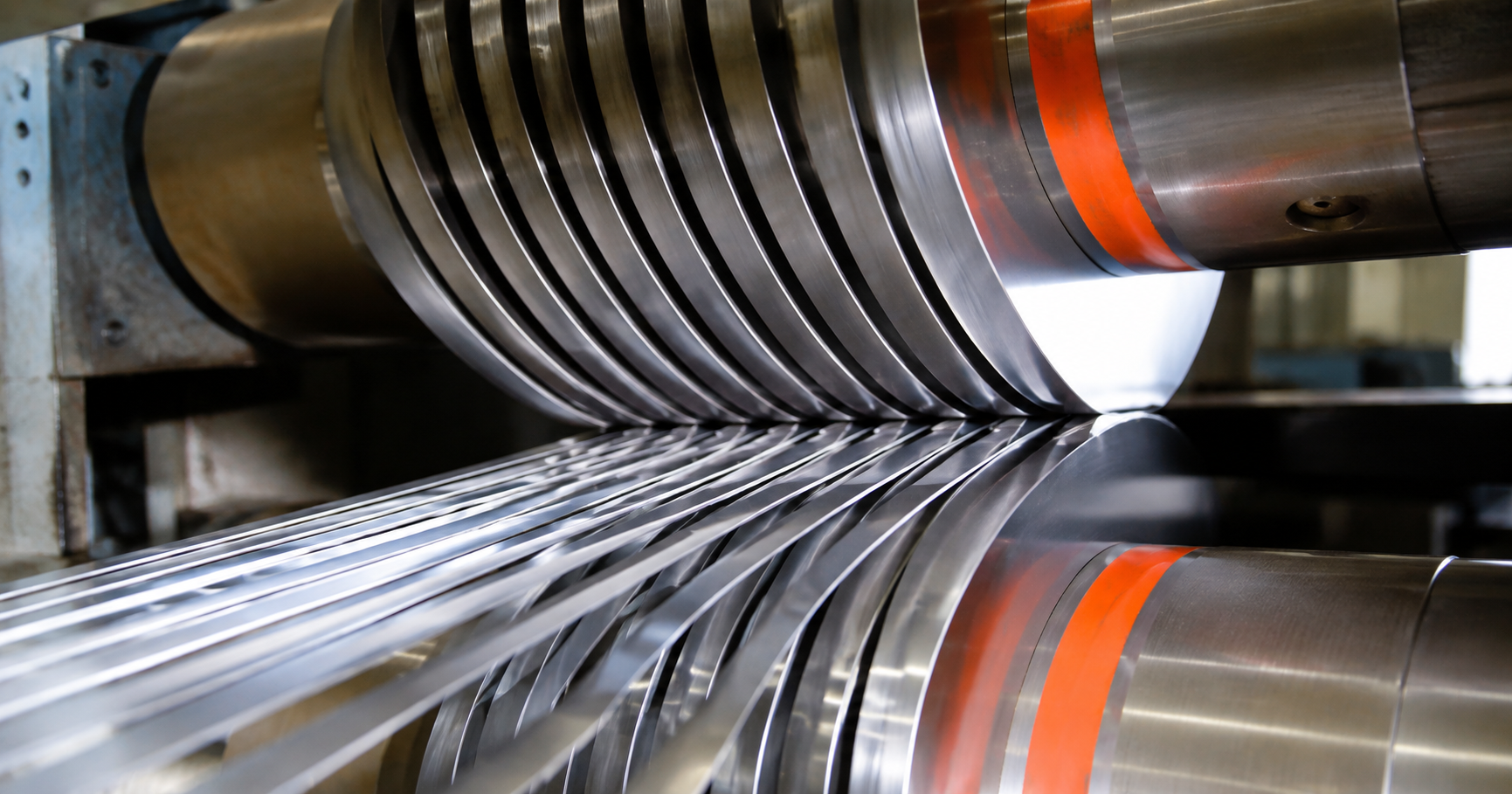
The strip is usually supplied in rolls or sheets, making it easy to process and integrate into various applications.
Applications
Thermobimetallic strips are widely used in industries where temperature changes need to be converted into mechanical movement. Common applications include:
- Thermostats: Used in heating and cooling systems to regulate temperature
- Circuit Breakers: Automatically disconnect electrical circuits when overheating occurs
- Temperature Sensors: Convert temperature variations into mechanical displacement
- Bimetallic Relays: Control electrical circuits based on temperature changes
- Automotive Industry: Used in fuel gauges, temperature sensors, and engine controls
- Industrial Controls: Provide temperature-dependent actuation in various machinery
Features of Thermobimetallic Strips
The primary advantage of thermobimetallic strips is their ability to respond to temperature changes with high precision. Some key features include:
- High Sensitivity to Temperature Changes: Ensures accurate temperature control
- Durability: Capable of withstanding repeated thermal cycling without degradation
- Corrosion Resistance: Depending on the metals used, the strip can resist oxidation and environmental effects
- Customizable Thickness and Width: Can be tailored for specific applications
- Energy Efficiency: Operates without the need for external power in passive applications
Chemical Composition
The exact chemical composition of a thermobimetallic strip depends on its intended application. Typically, one layer consists of a metal with a high thermal expansion coefficient (e.g., aluminum or copper), while the other has a lower expansion coefficient (e.g., steel or nickel alloys). A typical composition could include:
| Metal Component | Expansion Coefficient | Common Use |
|---|---|---|
| Copper (Cu) | High | Electrical conductivity |
| Nickel (Ni) | Medium | Corrosion resistance |
| Steel (Fe) | Low | Mechanical stability |
| Aluminum (Al) | High | Lightweight applications |
This combination provides optimal thermal response while maintaining mechanical strength.
Mechanical Properties
Thermobimetallic strips exhibit specific mechanical properties that make them suitable for repeated use in thermal control applications. Typical properties include:
- Flexibility: Ability to bend and return to shape over multiple cycles
- Fatigue Resistance: Long lifespan under cyclic thermal loads
- Elastic Modulus: Varies depending on material combination
- Operational Temperature Range: Can function across a broad range of temperatures
Conclusion
Thermobimetallic strips are essential components in temperature-sensitive applications. Their unique ability to convert thermal energy into mechanical movement makes them indispensable in various industries, from household appliances to industrial control systems. With their high durability, corrosion resistance, and customizable properties, thermobimetallic strips continue to be a reliable solution for temperature regulation and actuation needs.
TB 107/71, TB 129/79, TB 138/80, TB 148/79, TB 200/113 and othersThermobimetallic DIN EN tapes:
TB 20110,TB 1577A,TB 1555, TB 1545, TB 1435, TB 1425, TB 1511, TB 1170A, TB 1109, TB 0965, TB 1075 and othersThermal bimetallic tapes JIS:
TM1, TM2, TM6, TM5A, TM2, TM4, TM3 and more