Nickel Alloy K640
General Technical Characteristics
Material Type: Cast heat-resistant and corrosion-resistant superalloy (cobalt-nickel matrix).
Grade: K640.
Designation: K640, K640S (modification with enhanced weldability and thermal shock resistance), class equivalents — X-40 / Haynes 31 / FSX-414.
Standards / Specifications: Aerospace and power generation turbomachinery industry specifications (HB, AMS, etc.).
Alloy Base: Cobalt – Nickel (Co-Ni).
Alloying System: Co-Cr-Ni-W-Ti-C.
Primary Manufacturing Method: Vacuum Induction Melting (VIM) followed by precision investment casting.
Strengthening Mechanism: Matrix solid-solution strengthening and carbide precipitation strengthening ($M_{23}C_6$, $MC$).
Key Properties: Exceptional resistance to hot gas corrosion (sulfidation) and oxidation at temperatures up to 1000–1050 °C, high thermal fatigue resistance, and superior weldability.
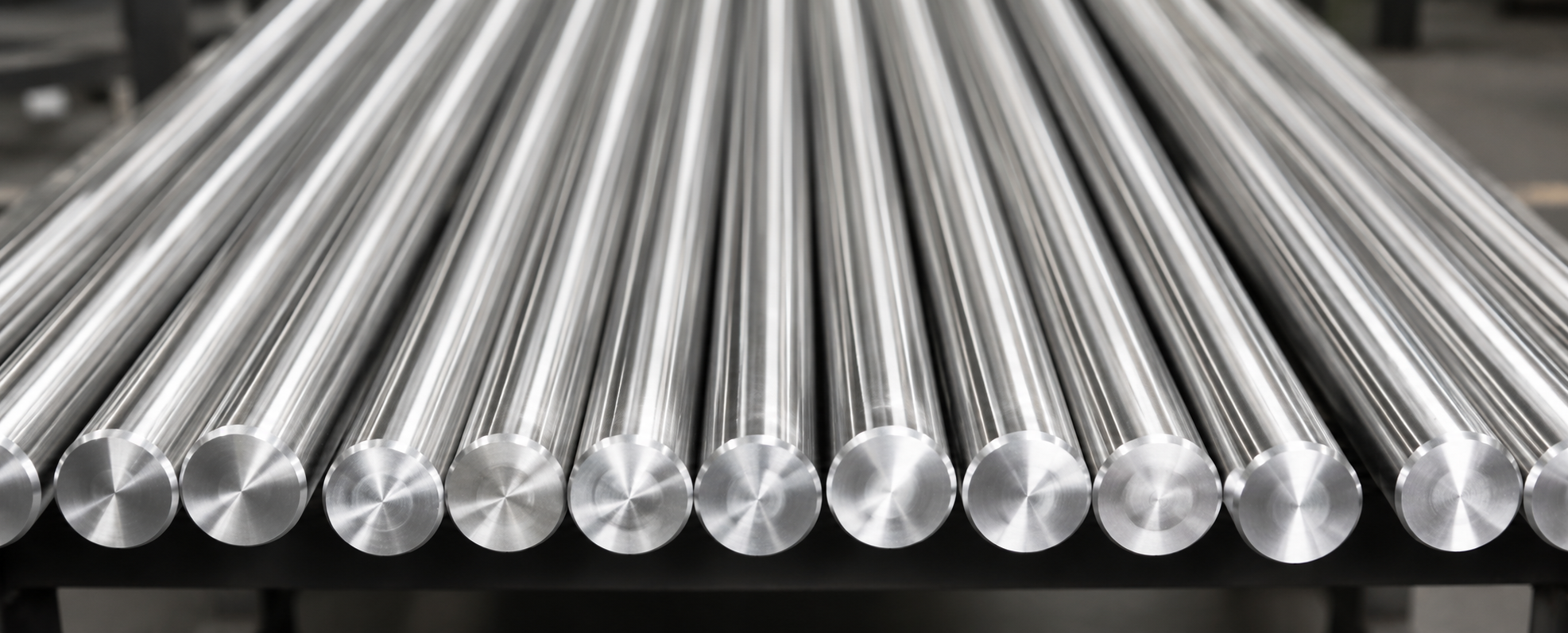
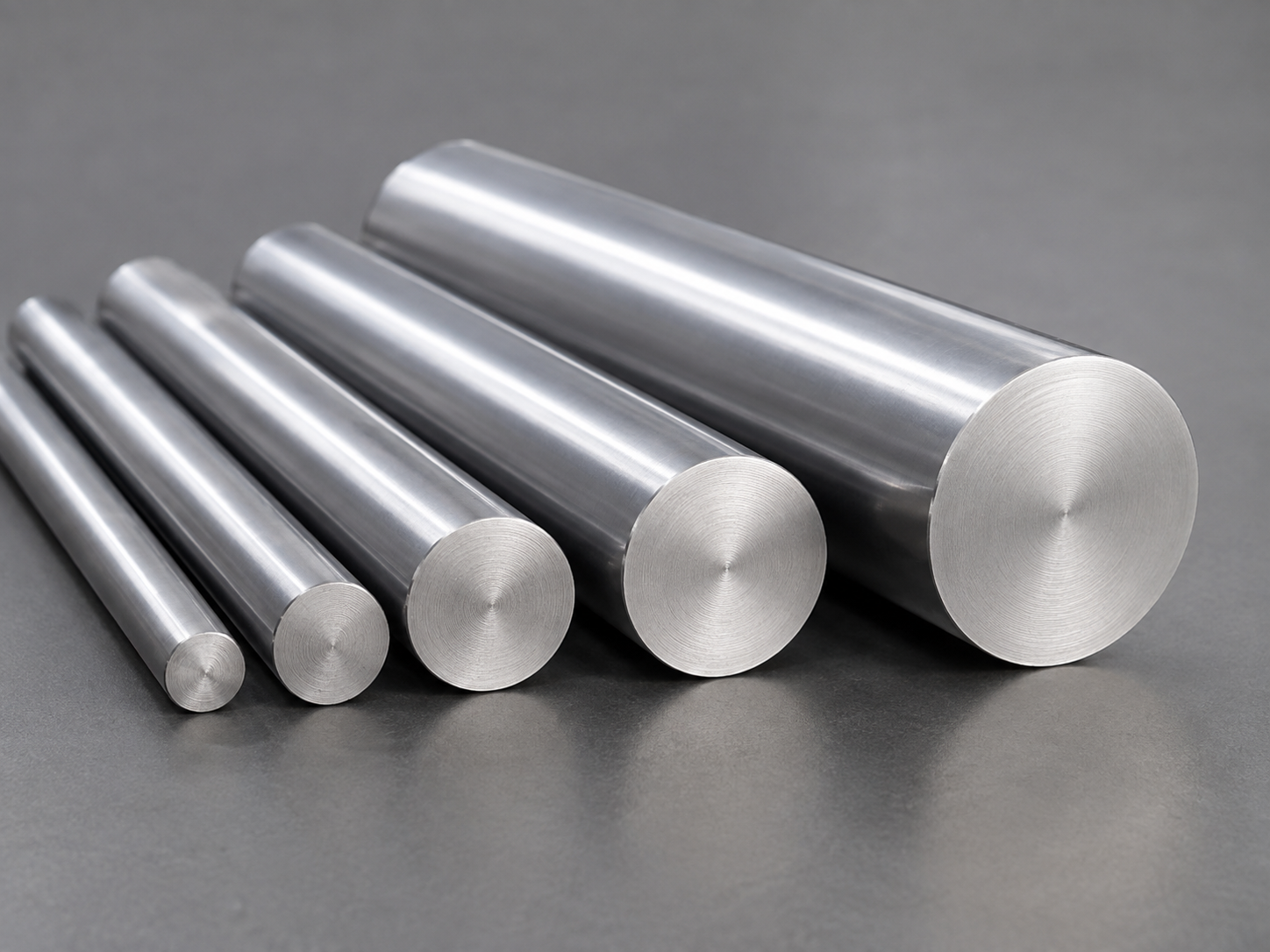
Supply Forms: Cast remelt ingots (master alloy), shaped castings, and blanks.
Chemical Composition
| Element | Content, % | Element | Content, % |
| Cobalt (Co) | Balance | Titanium (Ti) | 0.15 – 0.35 |
| Chromium (Cr) | 24.50 – 26.50 | Carbon (C) | 0.45 – 0.55 |
| Nickel (Ni) | 9.50 – 11.50 | Boron (B) | max 0.015 |
| Tungsten (W) | 7.00 – 8.00 | Manganese (Mn) | max 0.50 |
| Iron (Fe) | max 2.00 | Silicon (Si) | max 0.50 |
Mechanical and Performance Properties
outstanding resistance to high-temperature oxidation and sulfidation corrosion in fuel combustion gases;
high resistance to thermal fatigue and cracking during rapid thermal cycling (thermal shock);
retention of strength at temperatures above 980 °C (1800 °F), where the strengthening $\gamma’$-phase in nickel-base superalloys begins to dissolve;
excellent weldability and repairability of cast components during turbine overhaul and refurbishment;
stability of the carbide network over extended operating service lives.
Density: approx. 8.60 g/cm³.
Melting Range: approx. 1350 – 1395 °C.
Applications
turbine nozzle guide vanes and stator vane segments;
combustion liners, burner assemblies, and gas turbine combustor components;
high-temperature heat shields, deflectors, and stator shroud rings;
hot-section components for marine and industrial gas turbines operating on sour or heavy fuels;
shaped heat-resistant castings for industrial furnace and petrochemical equipment.
Key Features and Advantages of K640
high chromium (~25.5%) and nickel (~10.5%) contents, forming a dense, self-healing protective oxide scale;
tungsten (~7.5%) and carbon (~0.5%) alloying, delivering reliable high-temperature creep resistance;
high molten fluidity, enabling the precision casting of thin-walled, complex nozzle vane segments;
capability to repair service-induced cracks via TIG (GTAW) and electron-beam welding;
extended service life in aggressive gas streams without necessarily requiring complex protective coatings.