Nickel Alloy CM-88Y
General Technical Characteristics
Material Type: Cast heat-resistant and corrosion-resistant nickel-base superalloy.
Grade: CM-88Y.
Designation: CM-88Y, CM 88Y, CM 88 Y, Cannon-Muskegon 88Y.
Standards / Specifications: AMS (power-generation and marine turbomachinery industry specifications), Rolls-Royce / Solar Turbines / Siemens specifications.
Alloy Base: Nickel (Ni).
Alloying System: Ni-Cr-Co-Ti-W-Al-Ta-Mo-Hf-C-B-Zr-Y.
Primary Manufacturing Method: Vacuum Induction Melting (VIM) followed by precision vacuum investment casting (equiaxed or directionally solidified).
Strengthening Mechanism: Precipitation hardening (approx. 55–60% γ’-phase), solid-solution matrix strengthening (W, Mo, Co), and grain-boundary carbide/boride strengthening.
Key Properties: Exceptional resistance to hot gas corrosion (Type I and Type II sulfidation) and cyclic oxidation, high stress-rupture strength at temperatures up to 950–980 °C.
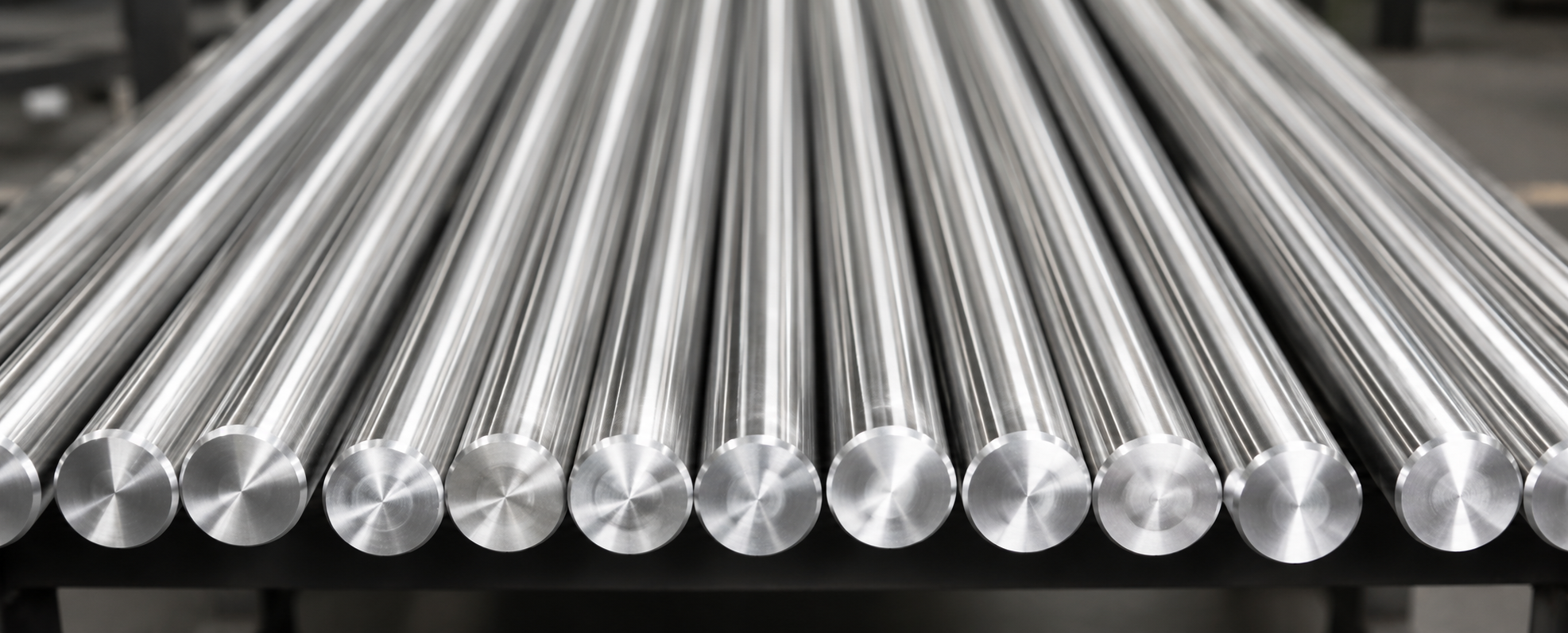
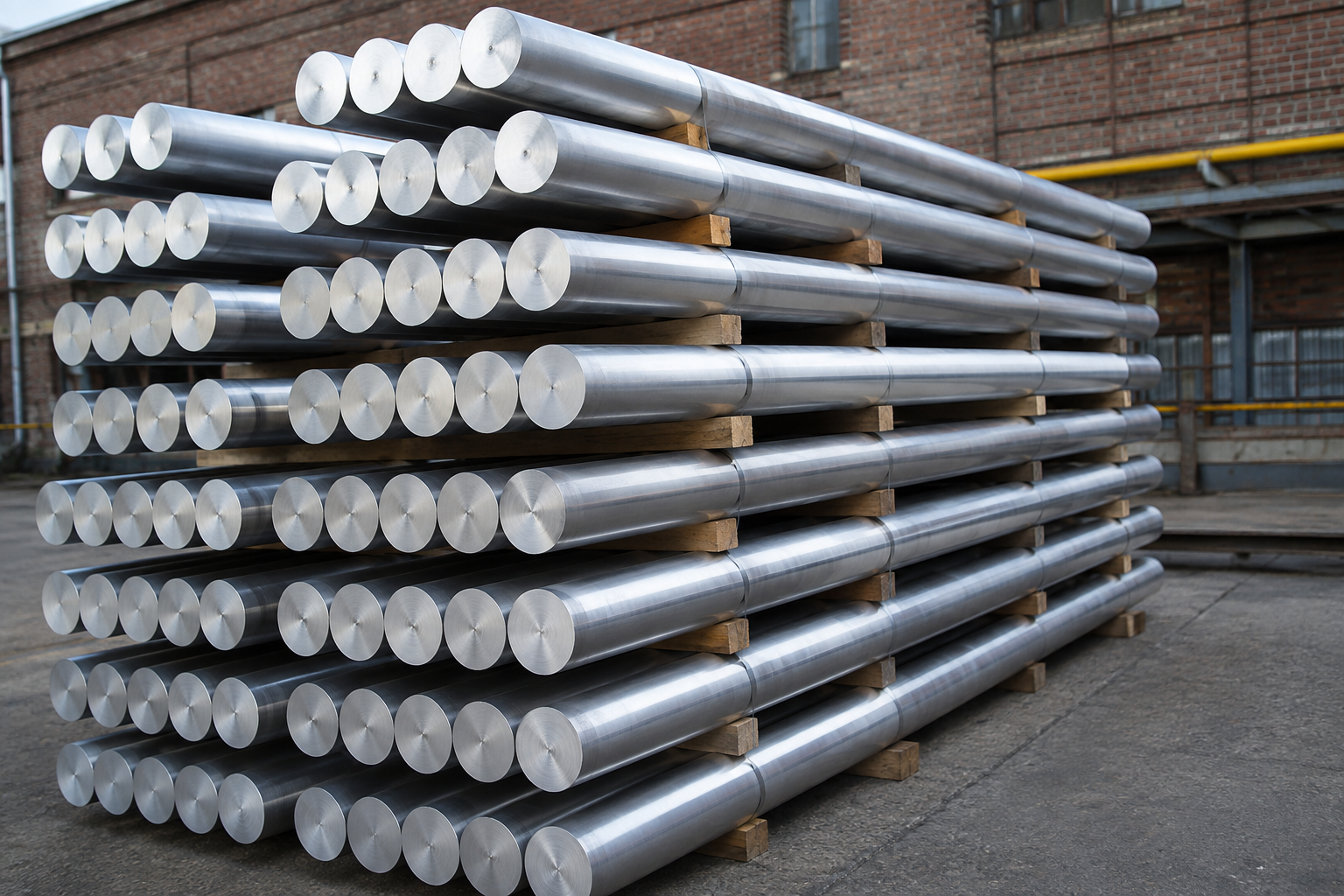
Supply Forms: High-purity cast remelt ingots and bars (master alloy), shaped castings, and blanks.
Chemical Composition
| Element | Content, % | Element | Content, % |
| Nickel (Ni) | Balance | Molybdenum (Mo) | 1.80 – 2.20 |
| Chromium (Cr) | 15.30 – 16.00 | Hafnium (Hf) | 0.12 – 0.20 |
| Cobalt (Co) | 10.80 – 11.50 | Carbon (C) | 0.06 – 0.09 |
| Titanium (Ti) | 4.50 – 4.90 | Zirconium (Zr) | 0.010 – 0.025 |
| Tungsten (W) | 3.80 – 4.20 | Boron (B) | 0.012 – 0.018 |
| Aluminum (Al) | 2.90 – 3.30 | Yttrium (Y) | 0.020 – 0.060 (micro-addition) |
| Tantalum (Ta) | 2.80 – 3.20 | Iron (Fe) / Silicon (Si) | max 0.20 / max 0.10 |
Mechanical and Performance Properties
outstanding resistance to hot gas corrosion (sulfidation) in turbines running on contaminated or sour fuels and in marine environments, driven by high chromium (~15.6%) and cobalt (~11.1%) contents;
exceptional resistance to cyclic oxidation and protective oxide scale (Al₂O₃ / Cr₂O₃) spallation via yttrium (Y) micro-alloying;
high stress-rupture strength and creep resistance over multi-thousand-hour operating lives in power-generation and marine gas turbines;
enhanced microstructural phase stability without susceptibility to brittle σ-phase precipitation during prolonged thermal exposures;
superior adhesion and compatibility with aluminide, chromized-aluminide, and platinum-aluminide protective coatings.
Density: approx. 8.28 g/cm³.
Melting Range: approx. 1250 – 1335 °C.
Applications
high-pressure and intermediate-pressure turbine rotor blades for stationary power-generation gas turbine units;
nozzle guide vanes and stator assemblies for marine and naval gas turbine engines operating in salt-laden atmospheres and aggressive fuel environments;
turbine blades and hot-section components for gas compressor drive units and petrochemical facilities;
extended-life turbine components capable of operating in certain regimes without requiring costly thermal barrier coatings.
Key Features of CM-88Y
yttrium micro-alloying (~0.04%), preventing oxide scale cracking and spallation during rapid thermal cycling;
superior creep-rupture strength compared to IN-738LC while preserving peak corrosion resistance;
strong castability during vacuum investment casting of large and thin-walled turbine airfoils;
high structural stability over tens of thousands of operating hours;
compatibility with standard rejuvenation heat treatment cycles during turbine blade refurbishment.