ASME/ASTM B16.9 Fittings: Characteristics, Applications, and Features
🔧 General Technical Characteristics
ASME/ASTM B16.9 fittings are standardized pipe fittings used for high-pressure and high-temperature applications in various industries. These fittings ensure leak-proof connections and structural integrity in piping systems.
📌 Material: Carbon steel, stainless steel, alloy steel 📌 Manufacturing Type: Seamless and welded 📌 Sizes: ½” to 48″ 📌 Pressure Class: Varies based on material and wall thickness 📌 Temperature Resistance: Suitable for high-temperature and high-pressure applications 📌 Standards Compliance: ASME B16.9, ASTM A234, ASTM A403, ASTM A420
🏗️ Applications
✔️ Oil & Gas Industry – Pipelines and flow control systems ✔️ Petrochemical Plants – High-pressure and high-temperature process piping ✔️ Power Plants – Steam, water, and chemical transport lines ✔️ Shipbuilding & Marine – Corrosion-resistant piping systems ✔️ Water & Wastewater Management – Durable and leak-proof connections
⚙️ Common Types of Fittings
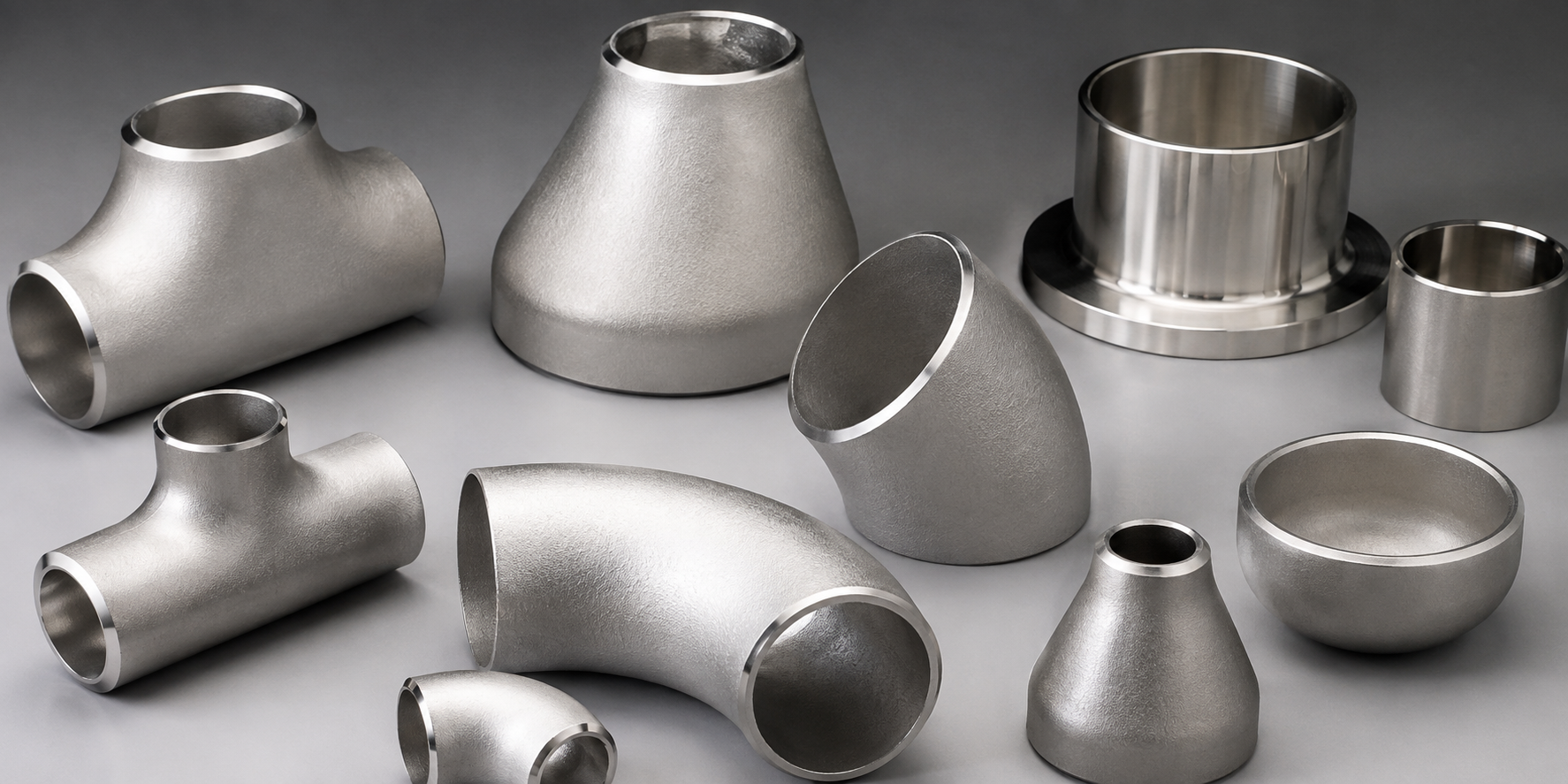
| Type of Fitting | Description |
|---|
| Elbows (90° & 45°) | Change the direction of the pipeline |
| Tees | Split or combine flow in a system |
| Reducers (Concentric & Eccentric) | Connect pipes of different diameters |
| Caps | Close the end of a pipeline |
| Stub Ends | Used with lap joint flanges |
| Crosses | Distribute flow in four directions |
⚙️ Features
🔹 Leak-proof and durable – Ensures system integrity 🔹 High-pressure and temperature resistance – Ideal for extreme environments 🔹 Excellent corrosion resistance – Available in stainless steel and alloy steel 🔹 Wide range of sizes and configurations – Meets diverse application needs 🔹 Conformance to ASME/ASTM standards – Ensures global compatibility
🏆 Conclusion
ASME/ASTM B16.9 fittings provide essential solutions for secure and efficient piping systems in industrial applications. Their high strength, precise manufacturing, and compliance with international standards make them a trusted choice in demanding industries such as oil & gas, petrochemical, and power generation.