Brass L63 / EN 2.0321
Brass L63 / EN 2.0321 is a widely used copper-zinc alloy known for its high plasticity, good corrosion resistance, and excellent machinability. Thanks to its optimal combination of strength and workability, it is in demand across various industries.
Key Advantages
✔ High Plasticity – Easily processed through machining and stamping. ✔ Good Corrosion Resistance – Maintains properties even in humid environments. ✔ Suitable for Soldering and Welding – Compatible with various joining methods. ✔ High Electrical Conductivity – Used in electrical applications. ✔ Aesthetic Appearance – Applied in artistic and jewelry manufacturing.
Chemical Composition (%):
| Element | Content |
|---|---|
| Copper (Cu) | 62–65 |
| Zinc (Zn) | 35–37 |
| Lead (Pb) | ≤ 0.07 |
| Iron (Fe) | ≤ 0.2 |
Mechanical Properties
- Tensile Strength: 300–450 MPa
- Yield Strength: 100–200 MPa
- Elongation: 25–40%
- Hardness: 80–120 HBW
- Elastic Modulus: 100–120 GPa
Physical Properties
- Density: 8.4–8.6 g/cm³
- Melting Temperature: 905–920°C
- Thermal Conductivity: 120–150 W/(m·K)
- Electrical Conductivity: 25–30% IACS
Applications
🔹 Mechanical Engineering – Production of bushings, radiators, pump components. 🔹 Electrical Engineering – Contacts, conductors, terminals. 🔹 Construction – Decorative elements, facade panels. 🔹 Jewelry Industry – Fittings, engravings, artistic casting.
Conclusion
Brass L63 / EN 2.0321 is a versatile material that combines high plasticity, corrosion resistance, and ease of processing. It is widely used in industrial, construction, and decorative applications due to its excellent technical characteristics.
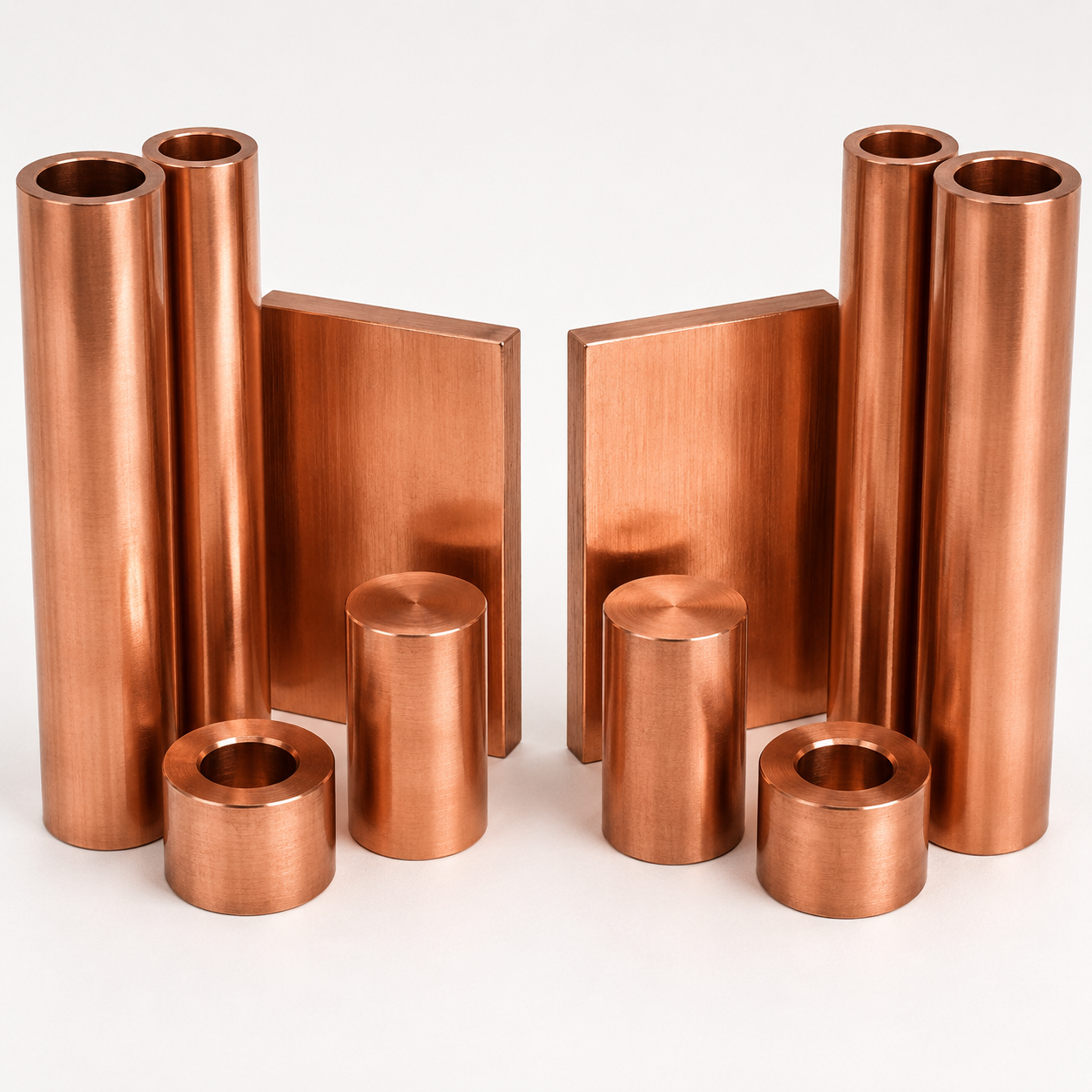
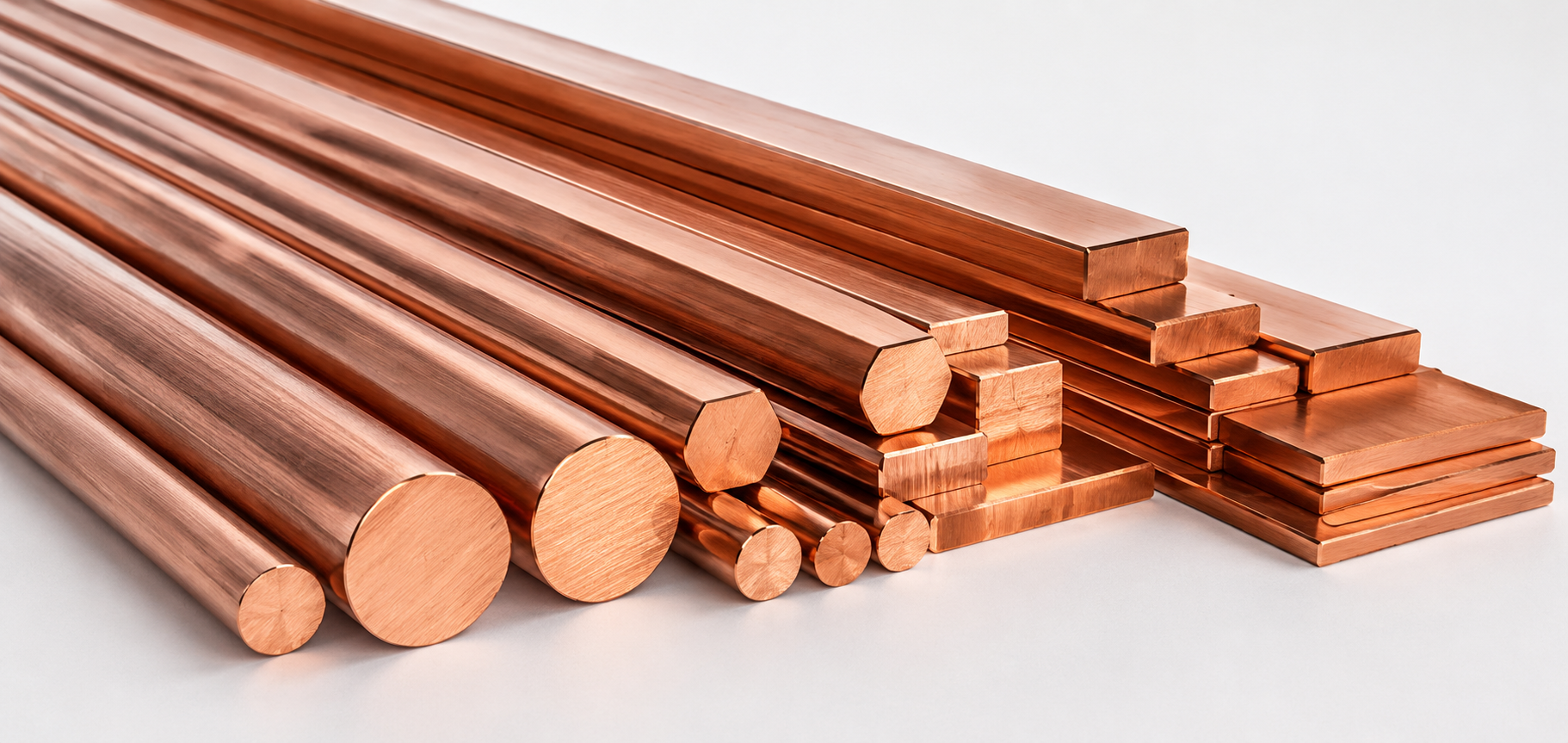
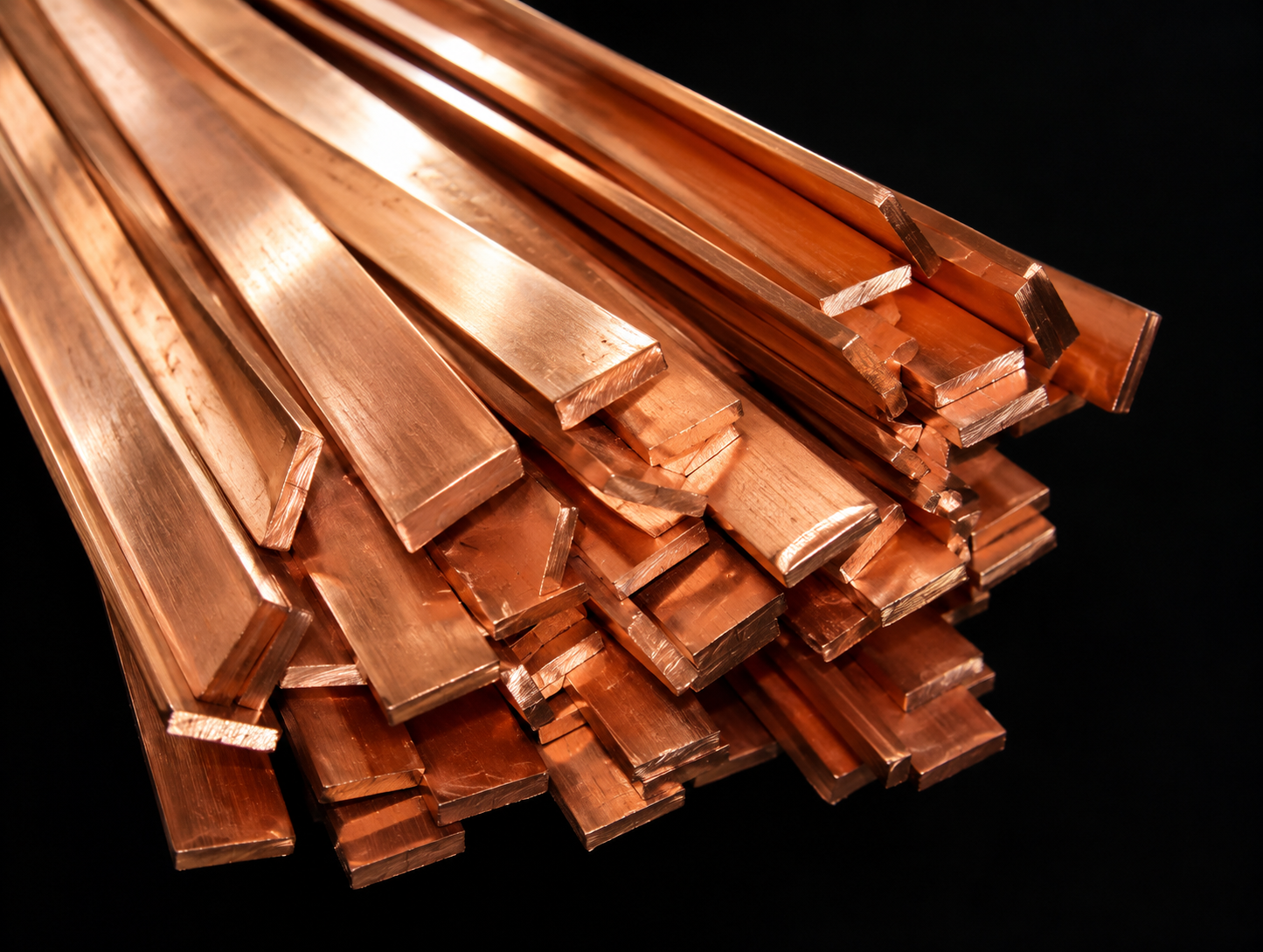
Delivery form Brass L63 / EN 2.0321
Brass L63 / EN 2.0321 | tape, strip, bar, pipe, wire, sheet, plate |