Bronze Alloy CuAl11Fe4 / UNS C95400
Chemical Composition (%)
| Element | Content |
|---|---|
| Aluminum (Al) | 10.5–11.5% |
| Iron (Fe) | 3.0–5.0% |
| Copper (Cu) | Remainder |
| Manganese (Mn) | 0.50–1.50% |
| Nickel (Ni) | ≤ 1.5% |
| Silicon (Si) | ≤ 0.35% |
| Zinc (Zn) | ≤ 0.30% |
| Lead (Pb) | ≤ 0.05% |
Mechanical Properties
| Property | Value |
|---|---|
| Tensile Strength (MPa) | 620–800 |
| Yield Strength (MPa) | 290–450 |
| Elongation (%) | 12–18 |
| Brinell Hardness (HBW) | 170–210 |
| Impact Strength (J) | ≥ 15 |
Physical Properties
| Property | Value |
|---|---|
| Density (g/cm³) | 7.6–7.8 |
| Melting Point (°C) | 1035–1055 |
| Thermal Conductivity (W/m·K) | 37 |
| Electrical Conductivity (% IACS) | 7 |
Applications
- Marine Industry – Used for ship propellers, pumps, and underwater components due to its corrosion resistance.
- Aerospace – Bearings, landing gear bushings, and wear-resistant parts.
- Industrial Machinery – Gears, heavy-duty bearings, and hydraulic equipment components.
- Energy Sector – Suitable for oil and gas drilling components and high-stress applications.
Advantages
✅ Excellent corrosion resistance, particularly in seawater environments. ✅ Good mechanical strength and wear resistance. ✅ High thermal and electrical conductivity compared to other bronzes. ✅ Versatile for casting and machining applications.
This alloy is widely used where a combination of high strength, wear resistance, and corrosion resistance is required.
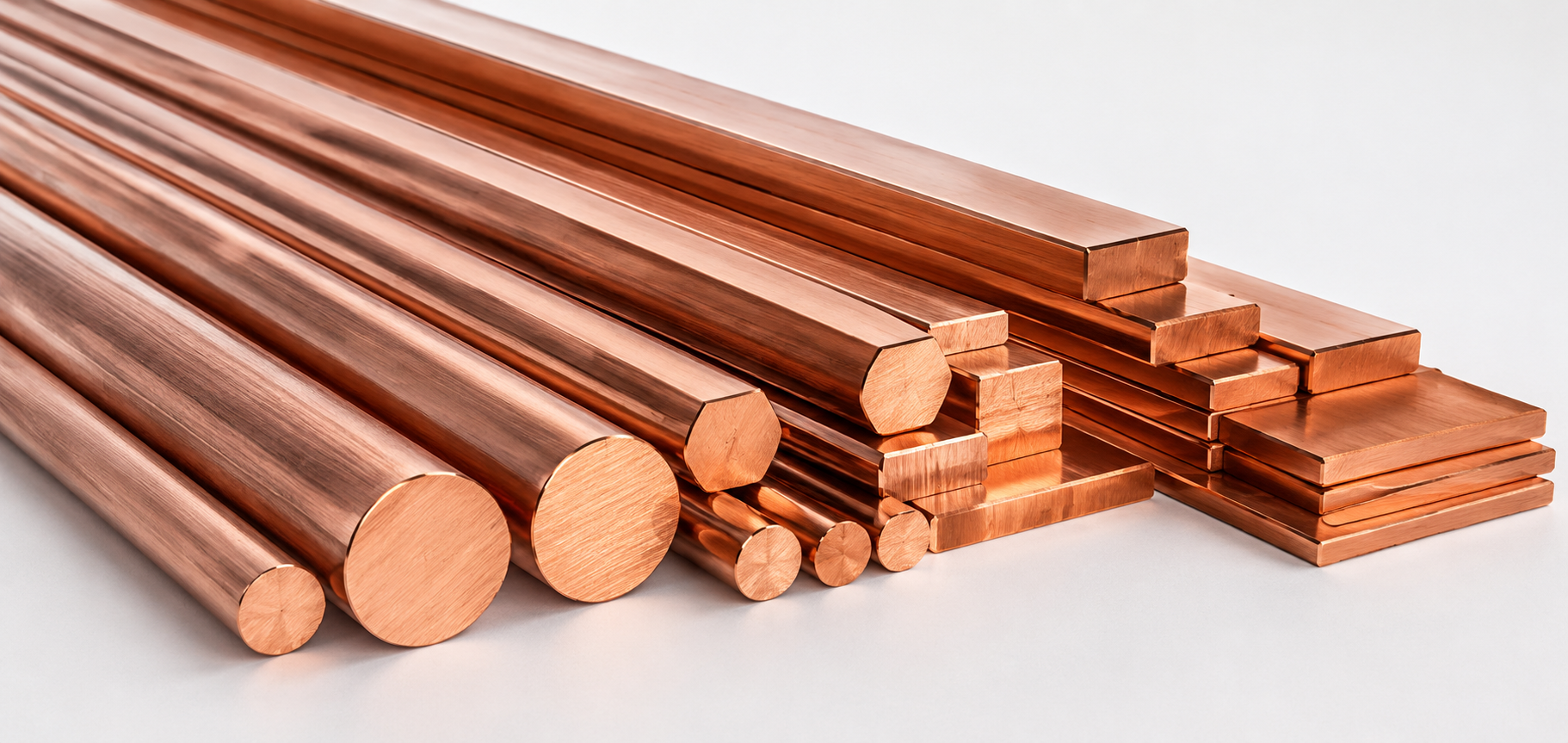
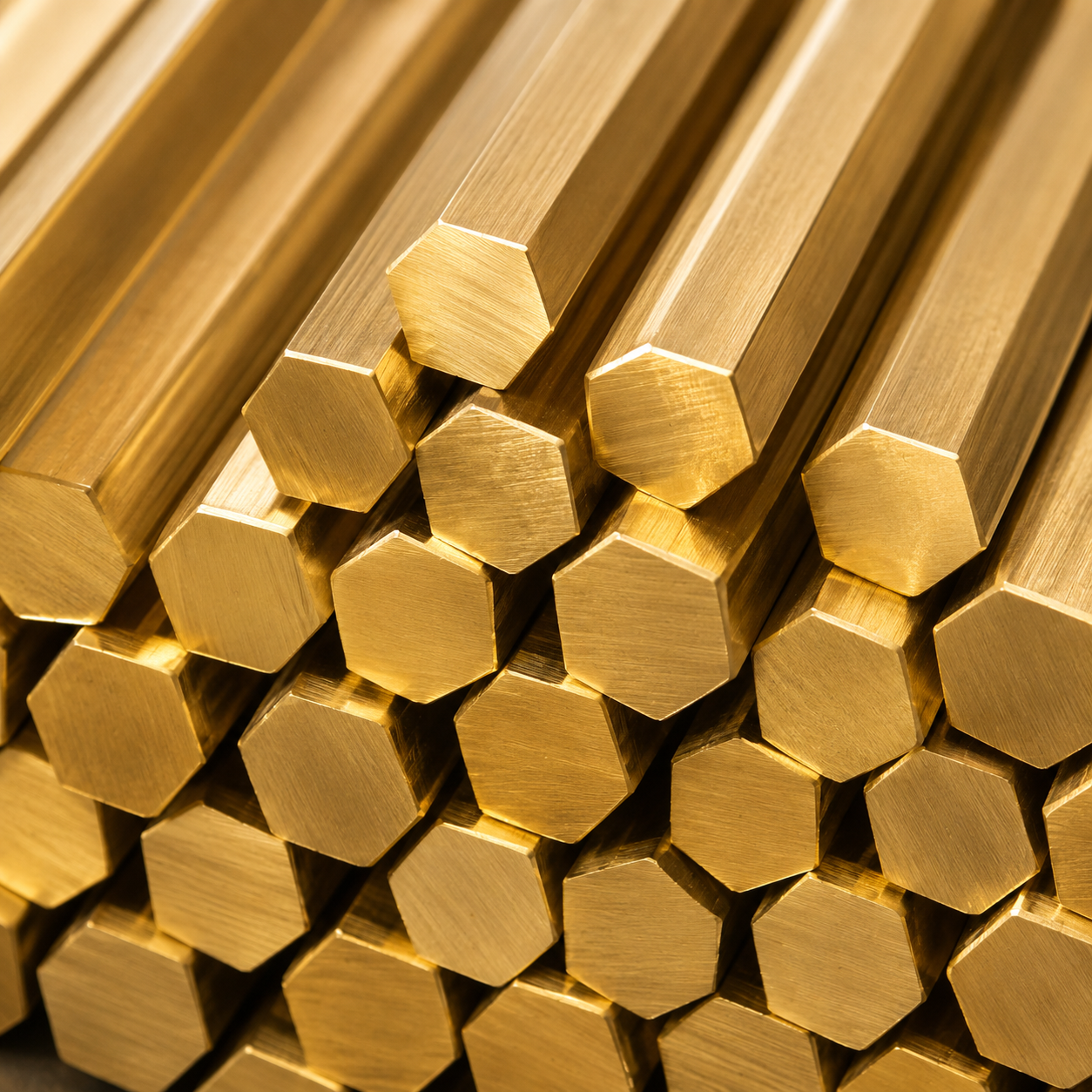
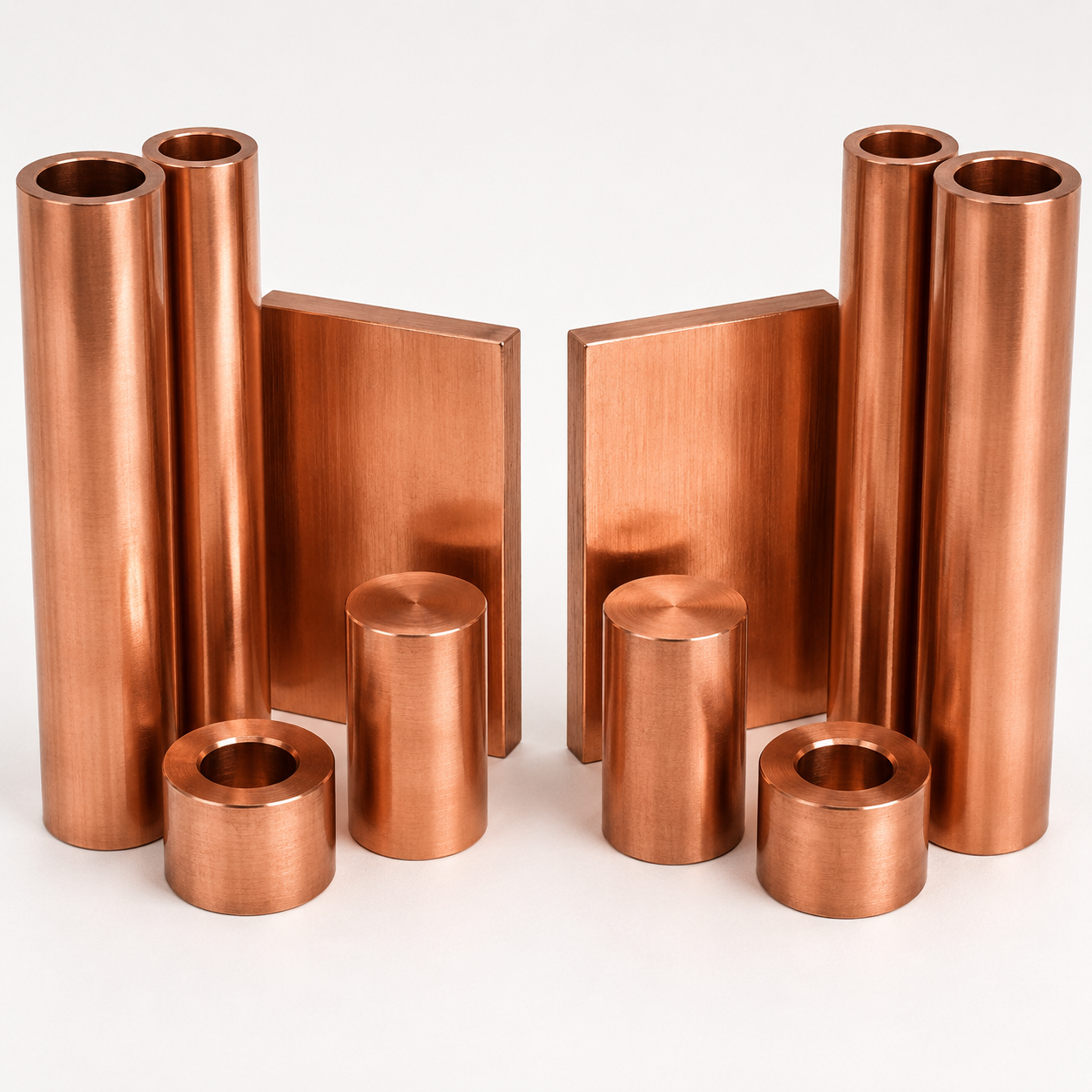
Delivery Forms Bronze Alloy CuAl11Fe4 / UNS C95400
| CuAl11Fe4 bronze alloy / UNS C95400 | tape, strip, rod, pipe, wire |