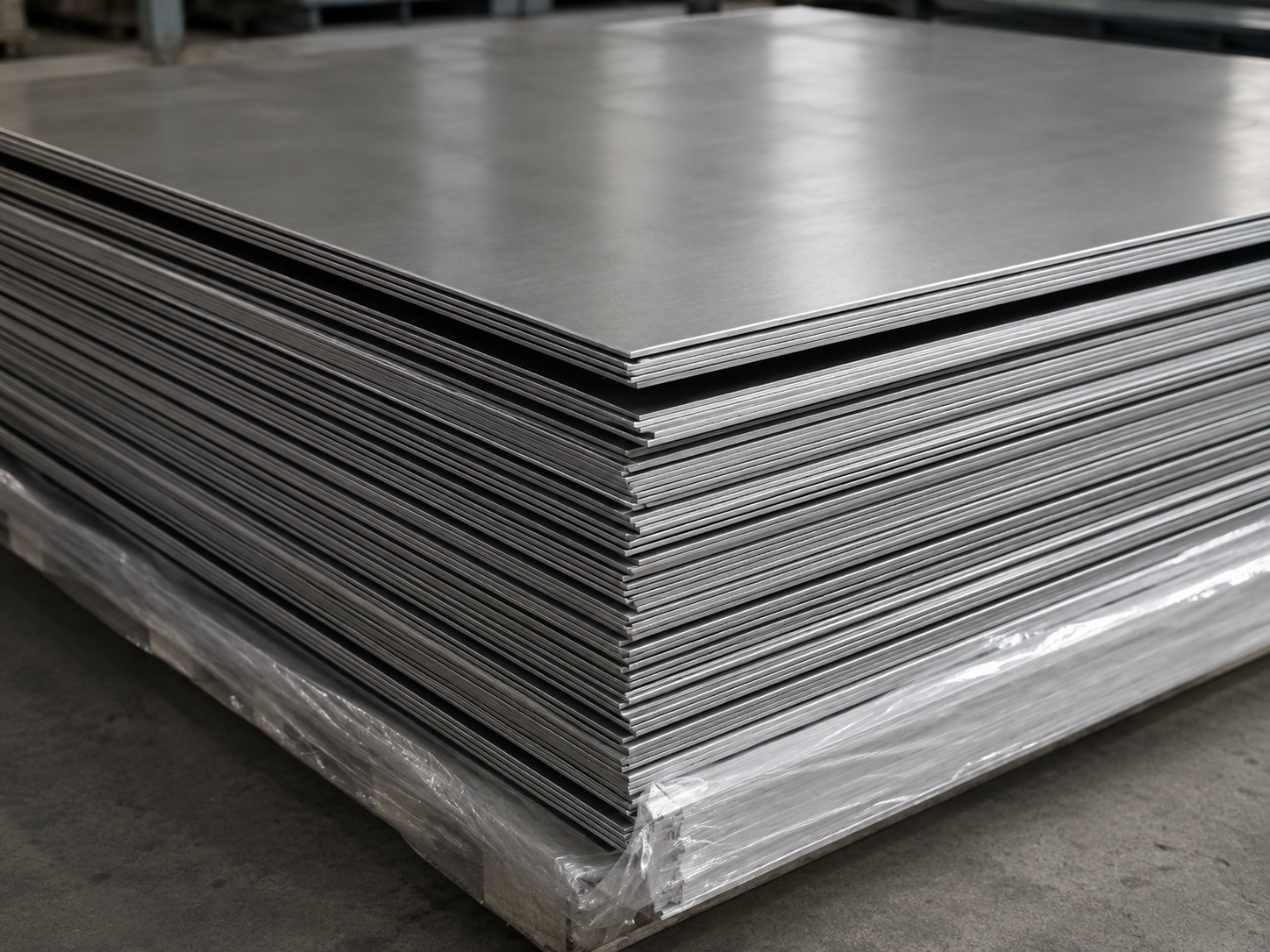
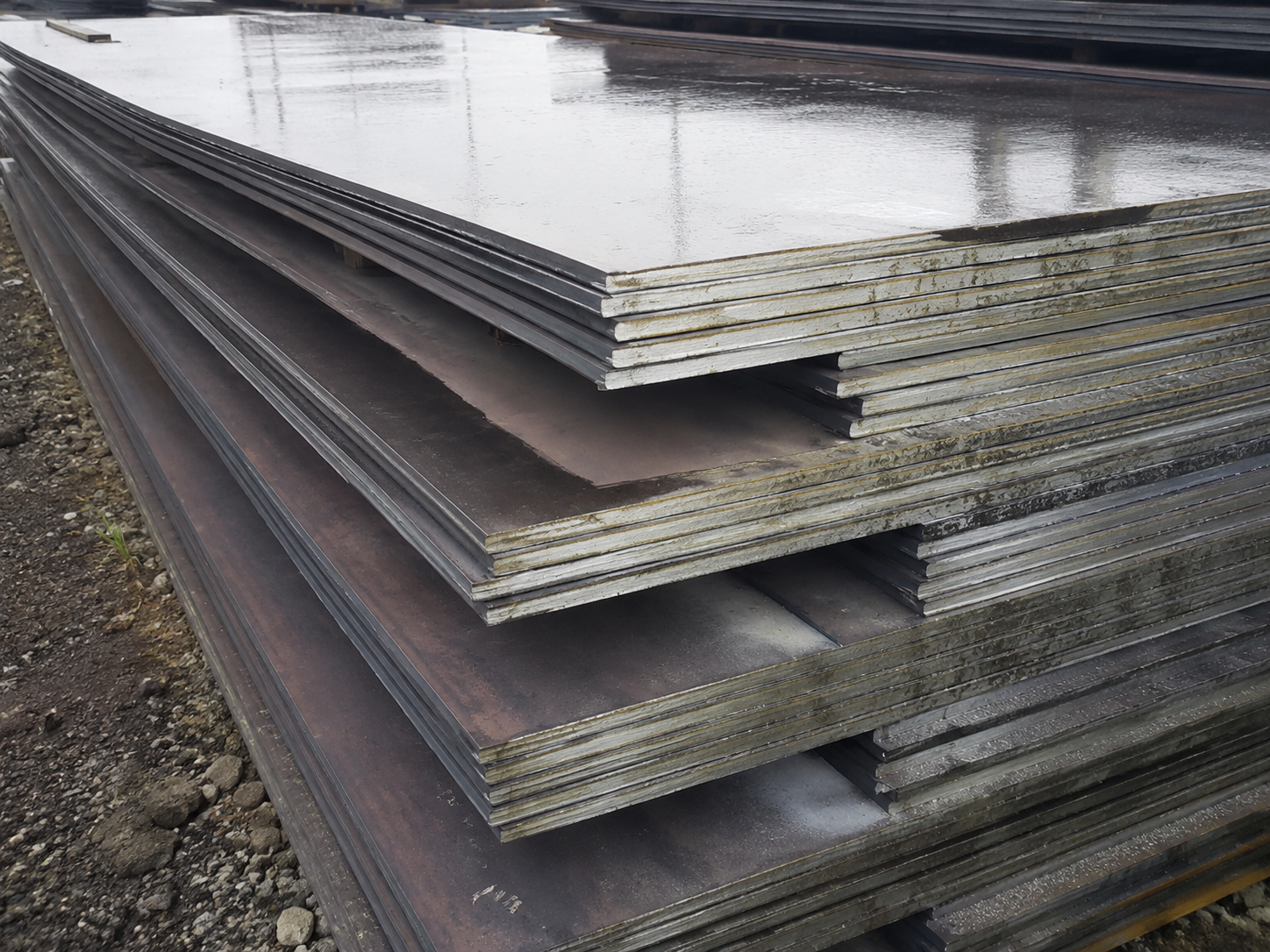
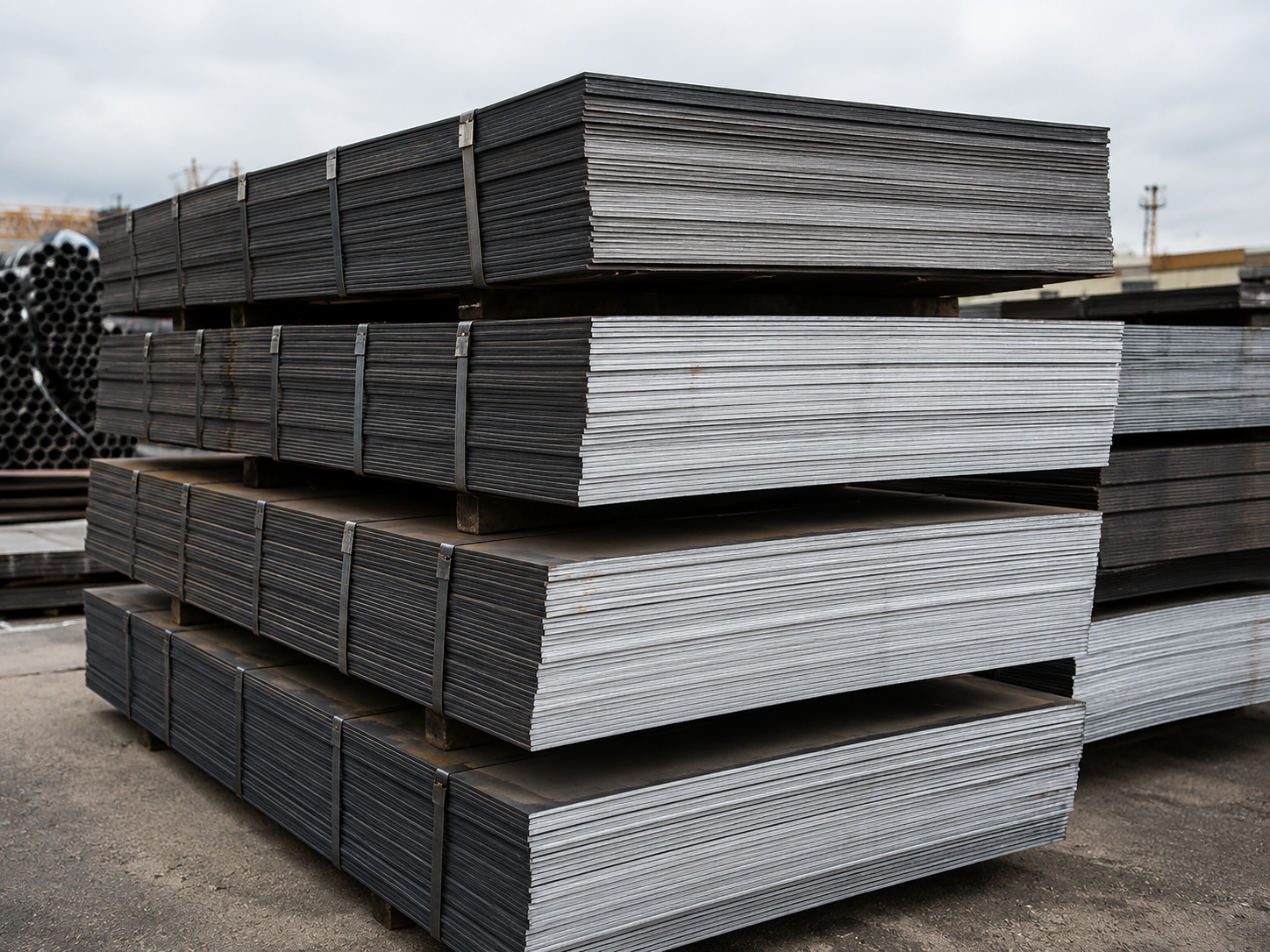
Product Description: A203 Grade D / E / 12Ni14 / 1.5637 Sheet Steel
A203 Grade D and E sheet steel (international equivalents 12Ni14 and 1.5637) is a low-alloy nickel steel designed for operation at low and cryogenic temperatures. The material offers high strength, excellent impact toughness, and resistance to brittle fracture, making it ideal for critical applications.
General Technical Characteristics
A203 steel is characterized by high strength, good weldability, and stable performance at low temperatures. It is widely used in pressure equipment and structures operating in cold environments.
Key properties:
- high strength
- excellent impact toughness
- resistance to low temperatures
- good weldability
Chemical Composition
The composition includes alloying elements that ensure low-temperature performance:
- Carbon (C): up to 0.18%
- Manganese (Mn): 0.7–1.0%
- Silicon (Si): 0.15–0.35%
- Nickel (Ni): 3.25–3.75%
- Sulfur (S) and Phosphorus (P): minimal content
The high nickel content provides excellent toughness at low temperatures.
Mechanical Properties
A203 Grade D / E steel typically demonstrates:
- yield strength: approximately 275–345 MPa
- high impact toughness at low temperatures
- resistance to deformation
- reliable performance in cryogenic conditions
Applications
A203 sheet steel is widely used for:
- pressure vessels
- cryogenic storage tanks
- heat exchangers
- equipment for gas storage and transportation
It is commonly applied in energy, chemical, and gas industries.
Features
Key advantages include:
- excellent performance at low temperatures
- high impact toughness
- reliability and safety in operation
- good manufacturability and weldability
Supply Formats and Standards
The steel is supplied in sheet form:
- hot-rolled sheets
- various thicknesses and sizes available
The material complies with:
- ASTM A203 (Grade D, E)
- EN 10028 (1.5637 / 12Ni14)
A203 Grade D / E sheet steel is an optimal solution for equipment and structures operating in low and cryogenic temperature conditions where strength, reliability, and safety are critical.