Steel Wire for Reinforcement EN 10138-2: Technical Characteristics, Applications, and Features
General Technical Characteristics
Steel wire for reinforcement EN 10138-2 is a high-strength steel material used for prestressed concrete. It complies with the European standard EN 10138-2, which defines mechanical properties, chemical composition, and manufacturing requirements. The main characteristics of this wire include:
- Diameter: from 5 to 12 mm
- Yield Strength: ≥ 1500 MPa
- Tensile Strength: 1600–1900 MPa
- Elongation after Fracture: ≥ 3.5%
- Modulus of Elasticity: 190–210 GPa
- Surface Condition: can be ribbed or smooth
- Manufacturing Method: cold-drawn or thermomechanically treated
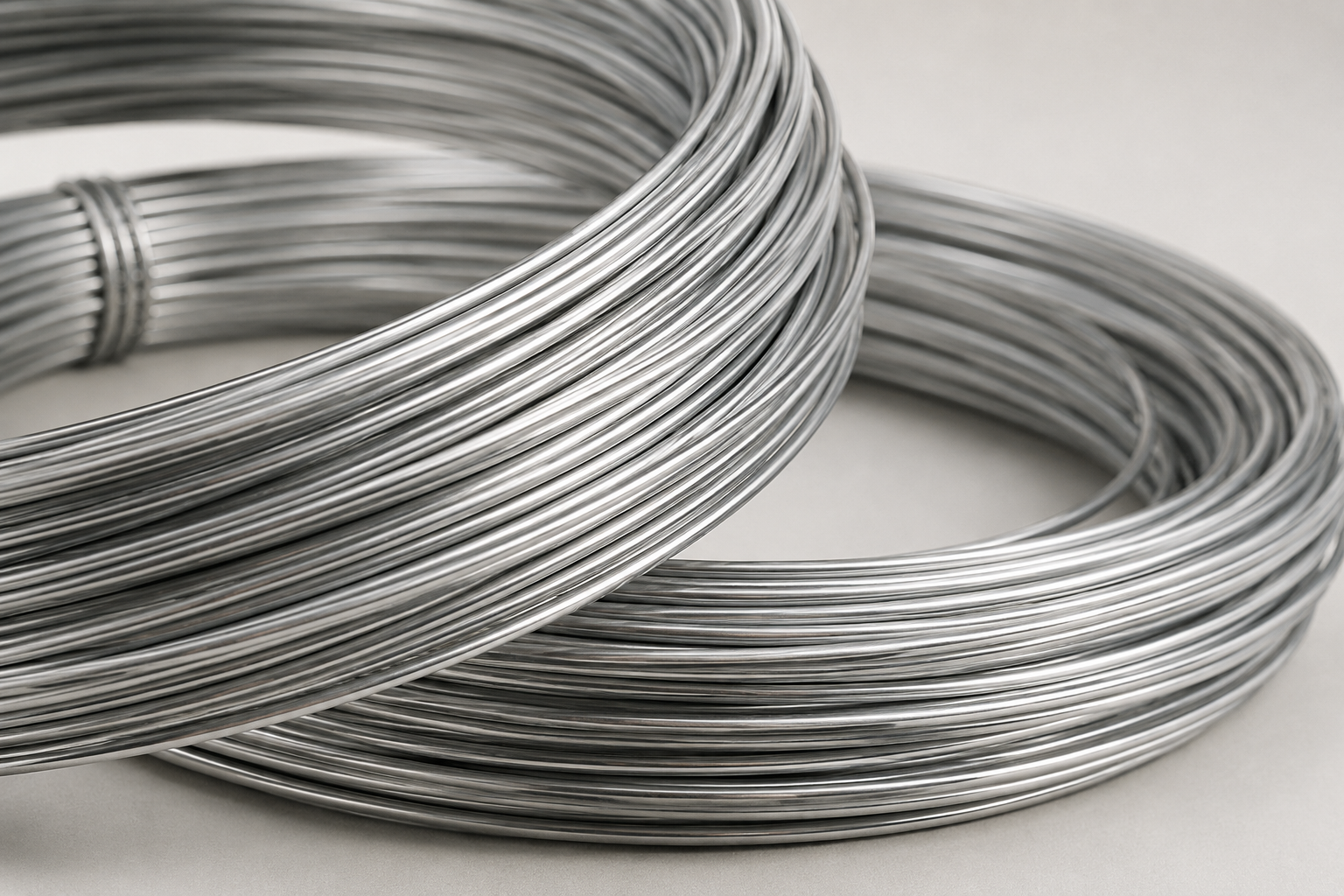
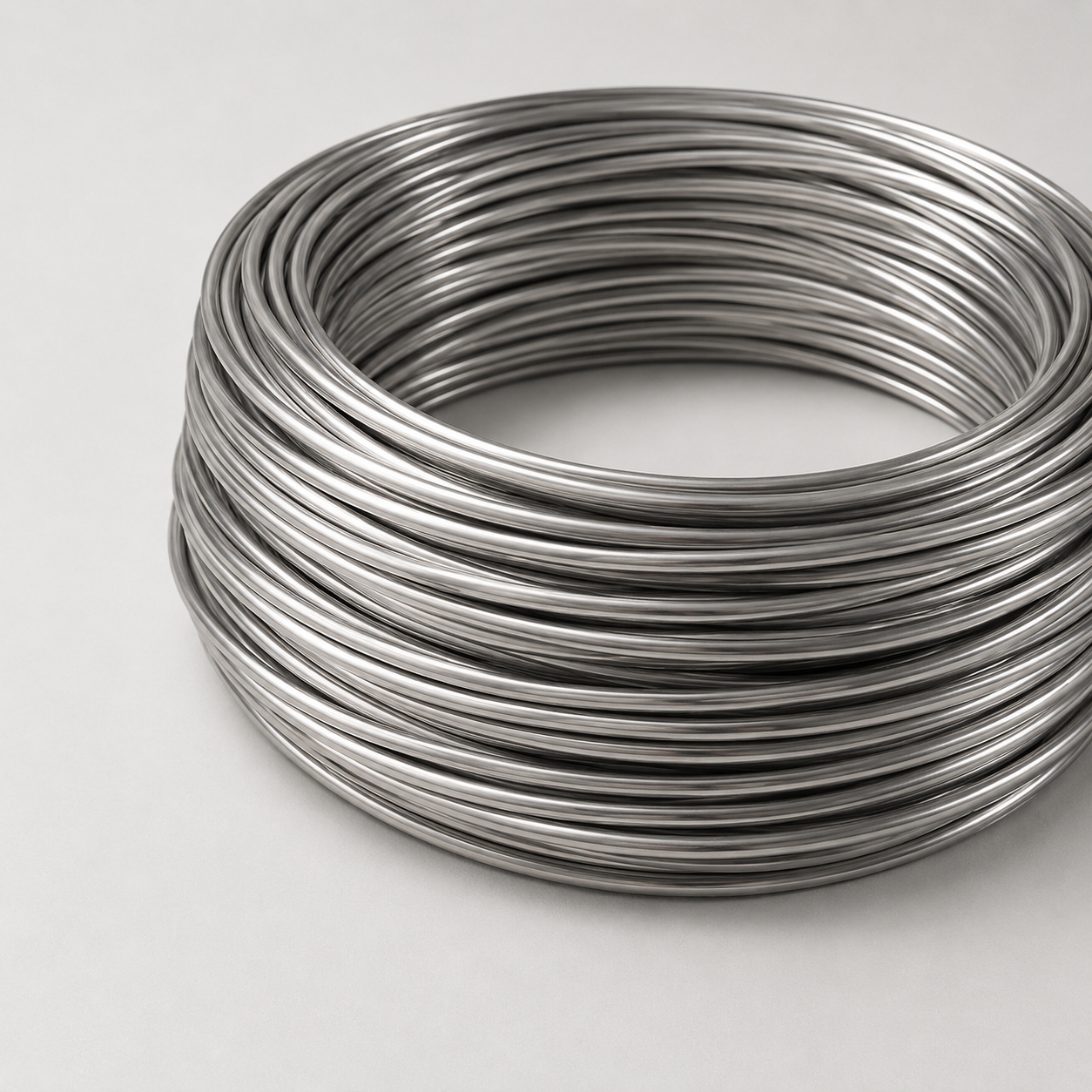
The wire is supplied in coils or spools, ensuring ease of transportation and further use.
Applications
Reinforcement wire EN 10138-2 is widely used in the construction industry, particularly for strengthening prestressed concrete structures. The main areas of application include:
- Production of reinforced concrete structures, such as floor slabs, beams, and girders
- Reinforcement of bridge structures, which are subjected to heavy loads
- Use in road construction, especially for strengthening foundations and retaining walls
- Application in hydraulic engineering, where increased structural strength is required
- Manufacturing of prestressed components, which require durability and resistance to mechanical loads
Features of Steel Wire EN 10138-2
The main feature of steel wire EN 10138-2 is its high mechanical strength, which allows a significant reduction in the amount of reinforcement material while maintaining the necessary structural strength characteristics.
Key advantages of the material:
- Increased wear resistance due to high carbon content
- Corrosion resistance (especially when galvanized or treated with anti-corrosion coatings)
- Efficiency in use under high load conditions
- Minimal elongation under stress, ensuring structural shape stability
- High adhesion to concrete, preventing slippage and deformation
Chemical Composition
According to EN 10138-2, steel wire is manufactured from steel with a specific chemical composition that ensures its strength characteristics. The typical composition of the material is as follows:
| Element | Content (%) |
|---|---|
| Carbon (C) | 0.6 – 0.9 |
| Silicon (Si) | 0.1 – 0.5 |
| Manganese (Mn) | 0.3 – 1.5 |
| Phosphorus (P) | ≤ 0.035 |
| Sulfur (S) | ≤ 0.035 |
| Chromium (Cr) | ≤ 0.3 |
| Nickel (Ni) | ≤ 0.3 |
| Molybdenum (Mo) | ≤ 0.1 |
This composition provides high strength, material fatigue resistance, and reduces the risk of cracking under loads.
Mechanical Properties
Reinforcement wire EN 10138-2 undergoes thermomechanical treatment, allowing it to achieve the following mechanical characteristics:
- Tensile Strength – 1600–1900 MPa
- Yield Strength – ≥ 1500 MPa
- Relative Elongation – ≥ 3.5%
- Modulus of Elasticity – 190–210 GPa
- Brinell Hardness (HB) – 200–250
These parameters allow the wire to withstand significant loads and ensure the reliability of reinforced concrete structures.
Conclusion
Steel wire for reinforcement EN 10138-2 is an essential material for constructing modern reinforced concrete structures. Its high strength, wear resistance, and corrosion resistance make it an ideal choice for concrete reinforcement. By meeting the European standard EN 10138-2, this material ensures the durability and reliability of engineering structures.
Steel wire for reinforcement
PN 10138-2 (with parameters according to EN 10138-2)
in nominal diameters 4.00 – 7.50 mm
at nominal tension from 1,570 to 1,770 MPa