• Mon - Sat : 9:00 - 18:00
  • Sun : day off

Nickel Alloy MAR-M246

Nickel Alloy MAR-M246

Quantity

The goods can be picked up by self-delivery at metal depots in Kyiv. Also, in agreement with the customer, rolled metal products can be delivered to any region of Ukraine

  • Characteristics

Nickel Alloy MAR-M246

MAR-M246 is a cast precipitation-hardenable nickel-base superalloy developed by Martin Marietta for manufacturing heavily loaded hot-section components in aircraft and industrial gas turbine engines operating under extreme temperatures and mechanical stresses.
The alloy belongs to the class of high-strength vacuum cast superalloys featuring complex alloying with refractory elements (tungsten, tantalum, molybdenum) and a high volume fraction of the strengthening intermetallic $\gamma’$-phase ($Ni_3(Al, Ti, Ta)$). Substituting tantalum for niobium significantly enhances stress-rupture strength and microstructural stability at temperatures exceeding 980 °C (1800 °F) compared to earlier grades.
MAR-M246 is primarily used for vacuum precision investment casting of turbine rotor blades, nozzle guide vanes, and integrally cast turbine wheels (blisks/rotors) in gas turbine units.

General Technical Characteristics

  • Material Type: Cast heat-resistant nickel-base superalloy.

  • Grade: MAR-M246.

  • Designation: MAR-M246, AMS 5397 (for hafnium-modified grades — MAR-M246 + Hf).

  • Standards / Specifications: AMS 5397, aerospace and power generation turbomachinery industry specifications.

  • Alloy Base: Nickel (Ni).

  • Alloying System: Ni-W-Co-Cr-Al-Mo-Ta-Ti.

  • Primary Manufacturing Method: Vacuum Induction Melting (VIM) followed by precision vacuum investment casting.

  • Strengthening Mechanism: Precipitation hardening (approx. 60% $\gamma’$-phase) and solid-solution strengthening with refractory metals.

  • Key Properties: Ultra-high creep-rupture strength, creep resistance at temperatures up to 1000–1040 °C, high stress-rupture life.

  • Supply Forms: Cast remelt ingots (master alloy), shaped castings, and blanks for machining.

Chemical Composition

Typical chemical composition of MAR-M246 according to industry specifications (AMS 5397), wt. %:
ElementContent, %ElementContent, %
Nickel (Ni)BalanceTantalum (Ta)1.25 – 1.75
Tungsten (W)9.50 – 10.50Titanium (Ti)1.25 – 1.75
Cobalt (Co)9.50 – 10.50Carbon (C)0.13 – 0.17
Chromium (Cr)8.50 – 9.50Zirconium (Zr)0.03 – 0.08
Aluminum (Al)5.25 – 5.75Boron (B)0.010 – 0.020
Molybdenum (Mo)2.25 – 2.75Iron (Fe)max 0.25
Manganese (Mn)max 0.10Silicon (Si)max 0.10
The values provided are for reference purposes. Actual chemical composition (including potential hafnium additions in modified versions) must be verified against the applicable standard revision and the specific heat/melt certificate.

Mechanical and Performance Properties

MAR-M246 retains exceptional strength and creep resistance at operating temperatures up to 1000–1040 °C (1830–1900 °F), ensuring reliable component performance under high centrifugal and aerodynamic loads.
Key Performance Characteristics:
  • ultra-high stress-rupture strength and creep resistance under extreme heat;

  • high tensile strength across a broad temperature range;

  • enhanced stability of the strengthening $\gamma’$-phase due to tantalum alloying;

  • strong resistance to thermal fatigue during cyclic turbine operating regimes;

  • compatibility with aluminide and thermal barrier protective coatings (used to protect against high-temperature oxidation and hot gas corrosion at peak operating temperatures).

Physical Characteristics:
  • Density: approx. 8.44 g/cm³.

  • Melting Range: approx. 1315 – 1345 °C.

Specific mechanical values (tensile strength, yield strength, rupture life) depend on casting parameters and heat treatment regimes (including aging), and are therefore governed by the documentation for a specific batch of castings.

Applications

Nickel alloy MAR-M246 is used in aerospace, space, and power generation turbomachinery to produce critical thermally stressed assemblies:
  • high-pressure and intermediate-pressure turbine rotor blades for aircraft gas turbine engines;

  • turbine nozzle guide vanes and stator assemblies;

  • integrally cast turbine wheels (rotors) for auxiliary power units (APUs) and small gas turbine engines;

  • hot-section flowpath components for jet and turboprop engines;

  • heavily loaded elements for specialized stationary gas turbine units.

Key Features of MAR-M246

The defining feature of MAR-M246 is its balanced combination of high tungsten (~10%), molybdenum (~2.5%), and tantalum (~1.5%) contents alongside a reduced chromium level (~9%), achieving peak creep-rupture strength among equiaxed cast superalloys of its generation.
Main Advantages of the Material:
  • high volume fraction of the $\gamma’$-phase (approx. 60%), delivering outstanding strength at temperatures above 950 °C;

  • tantalum alloying, which slows $\gamma’$-phase particle coarsening and extends component service life;

  • high microstructural stability without susceptibility to brittle phase formation during prolonged service;

  • excellent suitability for producing complex shaped castings and integrally bladed rotors via precision vacuum investment casting (with hafnium modification further enhancing thin-wall hot-tearing resistance);

  • proven reliability under the most demanding turbomachinery operating conditions.
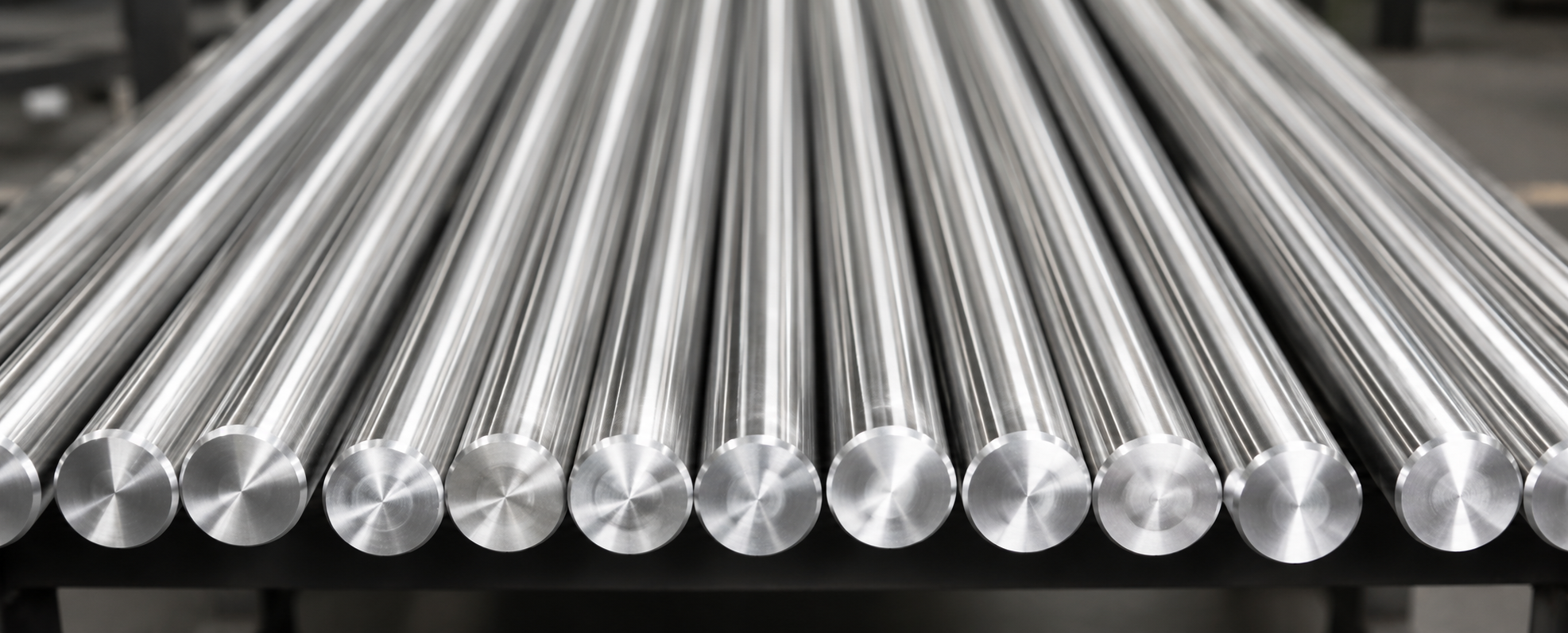
MAR-M246 remains a classic high-strength structural material in modern aerospace engine manufacturing.

Order Nickel Alloy MAR-M246 at ASYNT.NET

ASYNT.NET supplies certified heat-resistant nickel superalloys for the aviation, aerospace, and power generation industries. To check MAR-M246 availability, available supply forms, applicable specifications, and delivery terms, contact our specialists via the website inquiry form or by phone.

Didn't find a suitable product?

For more information, please contact us or leave your contact details and we will call you back.