Nickel Alloy GTD-111M / GTD141+ / GTD241
GTD-111M, GTD141+ (GTD-141), and GTD241 (GTD-241) are a family of cast precipitation-hardenable nickel-base superalloys developed by General Electric (GE Power / GE Vernova) for manufacturing heavily loaded hot-section components in heavy-duty stationary power-generation gas turbine units (Frame 6, 7, 9, etc.).
The base GTD-111 alloy (with the GTD-111M modification featuring optimized microstructure and impurity control for directional solidification) was derived from the classic corrosion-resistant superalloy René 80 by increasing titanium, cobalt, and tantalum contents. GTD141+ is an enhanced directionally solidified (DS) derivative with a modified balance of refractory and grain-boundary elements (including hafnium) to improve creep resistance and thermal fatigue life. GTD241 is a modified cast superalloy with tailored chromium, cobalt, tungsten, and tantalum levels engineered for high-temperature nozzle guide vanes and stator segments. The primary strengthening mechanism across these alloys is the precipitation of a high volume fraction of the intermetallic $\gamma’$-phase ($Ni_3(Al, Ti, Ta)$), reinforced by solid-solution and carbide strengthening.
GTD-111M, GTD141+, and GTD241 are primarily used for vacuum precision investment casting (both equiaxed and directionally solidified) of large rotor blades and nozzle guide vanes in industrial gas turbines.
General Technical Characteristics
Material Type: Cast heat-resistant and corrosion-resistant nickel-base superalloy for power-generation turbomachinery.
Grade: GTD-111M / GTD141+ / GTD241.
Designation: GTD-111, GTD-111M (DS / EA), GTD141+, GTD-141, GTD241, GTD-241 (General Electric B50TF specifications).
Standards / Specifications: Power-generation turbomachinery industry specifications (General Electric B50A / B50TF, AMS, etc.).
Alloy Base: Nickel (Ni).
Alloying System: Ni-Cr-Co-Ti-W-Al-Ta-Mo-C-B-Zr (GTD141+ and GTD241 additionally incorporate Hf).
Primary Manufacturing Method: Vacuum Induction Melting (VIM) followed by precision vacuum investment casting (equiaxed or directionally solidified).
Strengthening Mechanism: Precipitation hardening (approx. 45–55% $\gamma’$-phase), solid-solution strengthening (W, Mo, Co), and grain-boundary carbide strengthening.
Key Properties: High long-term creep resistance over extended service intervals, superior resistance to hot gas corrosion (sulfidation), and thermal fatigue resistance.
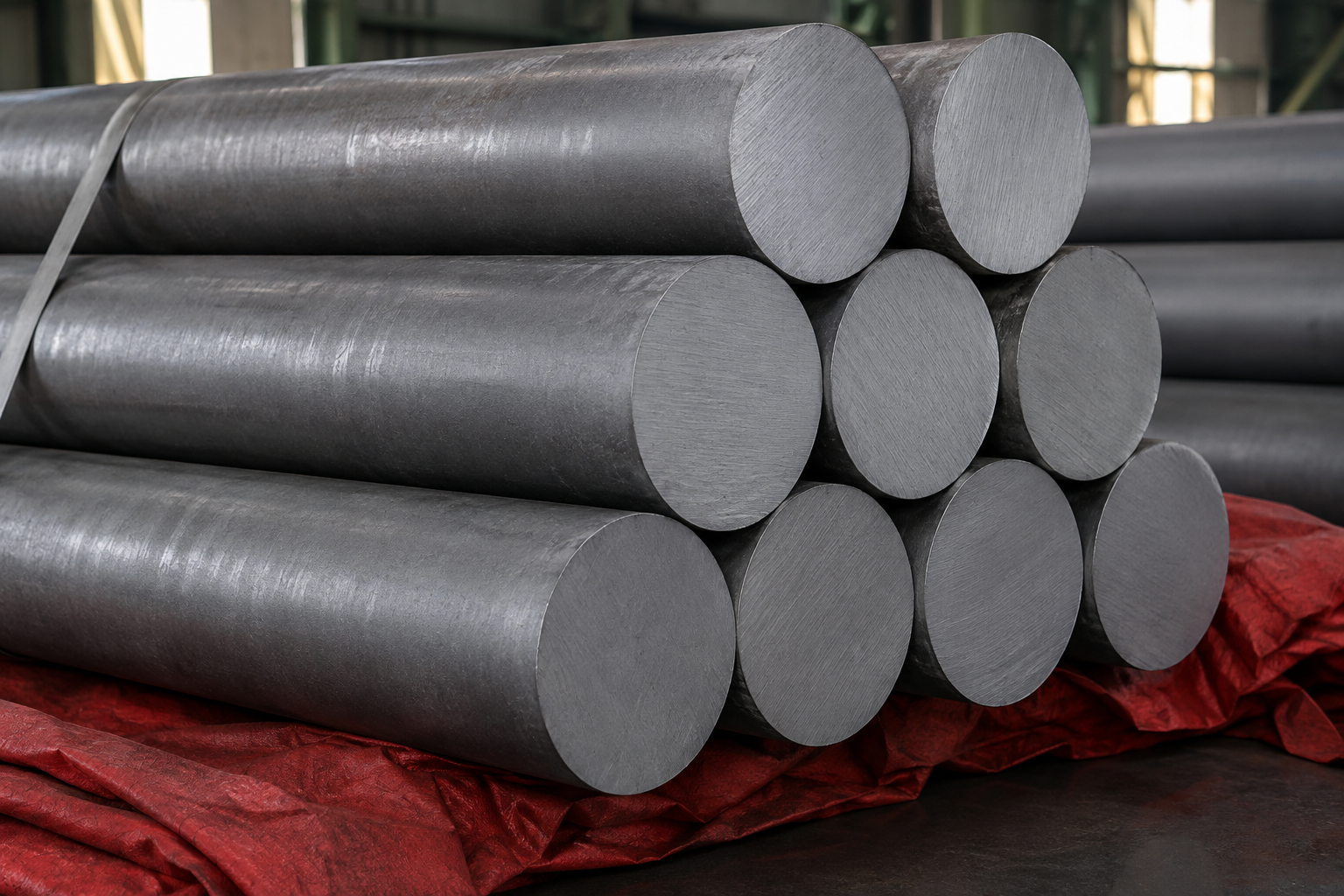
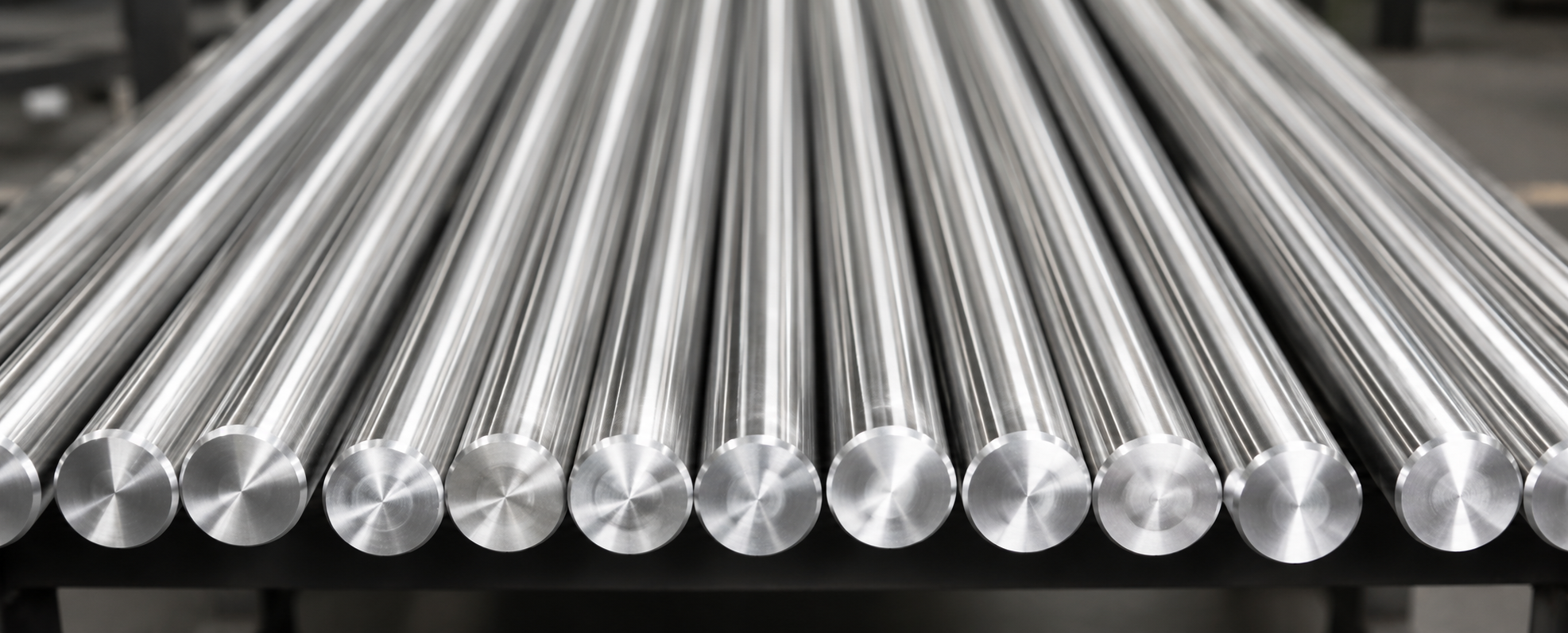
Supply Forms: Cast remelt ingots and bars (master alloy), large shaped castings, and blanks.
Chemical Composition
Typical chemical composition of GTD-111M, GTD141+, and GTD241 according to industry technical specifications (General Electric), wt. %:
| Element | GTD-111M, % | GTD141+, % | GTD241, % |
| Nickel (Ni) | Balance | Balance | Balance |
| Chromium (Cr) | 13.70 – 14.30 | 13.50 – 14.30 | 13.70 – 14.30 |
| Cobalt (Co) | 9.00 – 10.00 | 9.00 – 10.00 | 9.00 – 10.00 |
| Titanium (Ti) | 4.70 – 5.10 | 4.70 – 5.10 | 4.70 – 5.10 |
| Tungsten (W) | 3.50 – 4.10 | 3.50 – 4.10 | 3.50 – 4.10 |
| Aluminum (Al) | 2.80 – 3.20 | 2.80 – 3.20 | 2.80 – 3.20 |
| Tantalum (Ta) | 2.50 – 3.10 | 2.50 – 3.10 | 2.50 – 3.10 |
| Molybdenum (Mo) | 1.40 – 1.70 | 1.40 – 1.70 | 1.40 – 1.70 |
| Hafnium (Hf) | max 0.05 | 0.10 – 0.30 | 0.10 – 0.30 |
| Carbon (C) | 0.08 – 0.12 | 0.07 – 0.11 | 0.07 – 0.11 |
| Zirconium (Zr) | 0.01 – 0.05 | 0.005 – 0.02 | 0.005 – 0.02 |
| Boron (B) | 0.010 – 0.020 | 0.010 – 0.020 | 0.010 – 0.020 |
| Iron (Fe) / Silicon (Si) | max 0.35 / max 0.20 | max 0.30 / max 0.15 | max 0.30 / max 0.15 |
Note: GTD141+ and GTD241 are evolutionary modifications of the GTD-111 family featuring adjusted micro-alloying additions (Hf, Zr, C, B) and processing tolerances tailored for directional or equiaxed casting of large turbine airfoils. Actual chemical composition must be verified against the applicable GE standard revision and the specific heat/melt certificate.
Mechanical and Performance Properties
GTD-111M, GTD141+, and GTD241 maintain high stress-rupture strength and creep resistance at operating temperatures up to 920–980 °C (1690–1800 °F) across multi-thousand-hour overhaul intervals (24,000 – 48,000+ hours), with directionally solidified (DS) versions delivering a 20–25 °C (36–45 °F) temperature capability gain over equiaxed castings.
Key Performance Characteristics:
high long-term creep resistance under continuous baseload operation in industrial gas turbines;
superior resistance to hot gas corrosion (Type I and Type II sulfidation) when burning natural gas or liquid fuels, driven by high chromium content (~14%);
enhanced resistance to thermal fatigue and cracking during power plant start-up and shutdown cycles (particularly in DS configurations);
microstructural phase stability without susceptibility to brittle $\sigma$-phase precipitation over extended service lives;
excellent compatibility with MCrAlY overlay coatings and thermal barrier coatings (TBC).
Physical Characteristics:
Specific mechanical values (tensile strength, yield strength, rupture life) depend on the solidification method (equiaxed vs. directional solidification) and multi-stage heat treatment regimes, and are therefore governed by the documentation for a specific batch.
Applications
Nickel alloys GTD-111M, GTD141+, and GTD241 serve as primary hot-section materials in heavy-duty power-generation turbomachinery:
1st-, 2nd-, and 3rd-stage rotor blades for heavy-duty industrial gas turbine units (MS6001, MS7001, MS9001 models and equivalents);
cooled and uncooled nozzle guide vanes and stator segments for stationary gas turbines;
hot-section components for gas compressor drive turbines and cogeneration units;
large shaped power-engineering castings operating in aggressive high-temperature combustion gas environments.
Key Features of GTD-111M / GTD141+ / GTD241
The defining feature of the GTD alloy family is its optimal balance between high-temperature creep strength and corrosion resistance under prolonged stationary service. High chromium content (~14%) paired with an optimized titanium-to-aluminum ratio (Ti/Al ≈ 1.6) protects blades against sulfidation attack, while the GTD141+ and GTD241 modifications—incorporating hafnium additions and tight impurity control—prevent grain-boundary hot tearing during directional solidification of massive blades exceeding 400–600 mm in length.
Main Advantages of the Materials:
superior castability for manufacturing large hollow turbine blades with complex internal cooling passages;
extended service life prior to refurbishment (rejuvenation heat treatment and coating renewal);
high resistance to thermal shock during peaking and cyclic power plant operations;
proven reliability across tens of thousands of operating hours in industrial gas turbines worldwide;
high master alloy ingot purity, ensuring repeatable mechanical properties in serial casting production.
GTD-111M, GTD141+, and GTD241 stand as industry benchmarks for rotor blades and nozzle guide vanes in modern power-generation gas turbines.
Order Nickel Alloy GTD-111M / GTD141+ / GTD241 at ASYNT.NET
ASYNT.NET supplies certified heat-resistant nickel superalloys for the power generation, aviation, and heavy machinery industries. To check GTD-111M, GTD141+, and GTD241 availability, available supply forms, applicable specifications, and delivery terms, contact our specialists via the website inquiry form or by phone.