Heat-Resistant Steel 1.4731 / X40CrSi23
General Technical Characteristics
Heat-resistant steel 1.4731 / X40CrSi23 is a highly alloyed ferritic stainless steel designed for operation at elevated temperatures. Due to the increased content of chromium and silicon, this alloy exhibits excellent heat resistance and oxidation resistance in air and gas environments.
Steel 1.4731 is widely used under prolonged exposure to temperatures up to +1000°C, while maintaining structural stability. The material is characterized by good resistance to scale formation and minimal deformation when heated.
Chemical Composition
The chemical composition of X40CrSi23 steel includes:
- Chromium (Cr): 22–24%
- Silicon (Si): 1.5–2.5%
- Carbon (C): 0.35–0.45%
- Manganese (Mn): up to 1%
High chromium content ensures heat resistance and protection against oxidation, while silicon further improves resistance to scale formation at high temperatures.
Mechanical Properties
Main mechanical characteristics of steel 1.4731:
- Tensile Strength: ~450–650 MPa
- Yield Strength: ~220–300 MPa
- Elongation: 15–25%
- Hardness: up to 220 HB
The steel retains its strength and resistance to thermal loads during long-term operation at high temperatures.
Applications
Heat-resistant stainless steel 1.4731 / X40CrSi23 is used in various industrial sectors:
- furnace and heat treatment equipment
- combustion chamber components
- parts for industrial furnaces and heaters
- metallurgy and power engineering
- production of heat-resistant structures
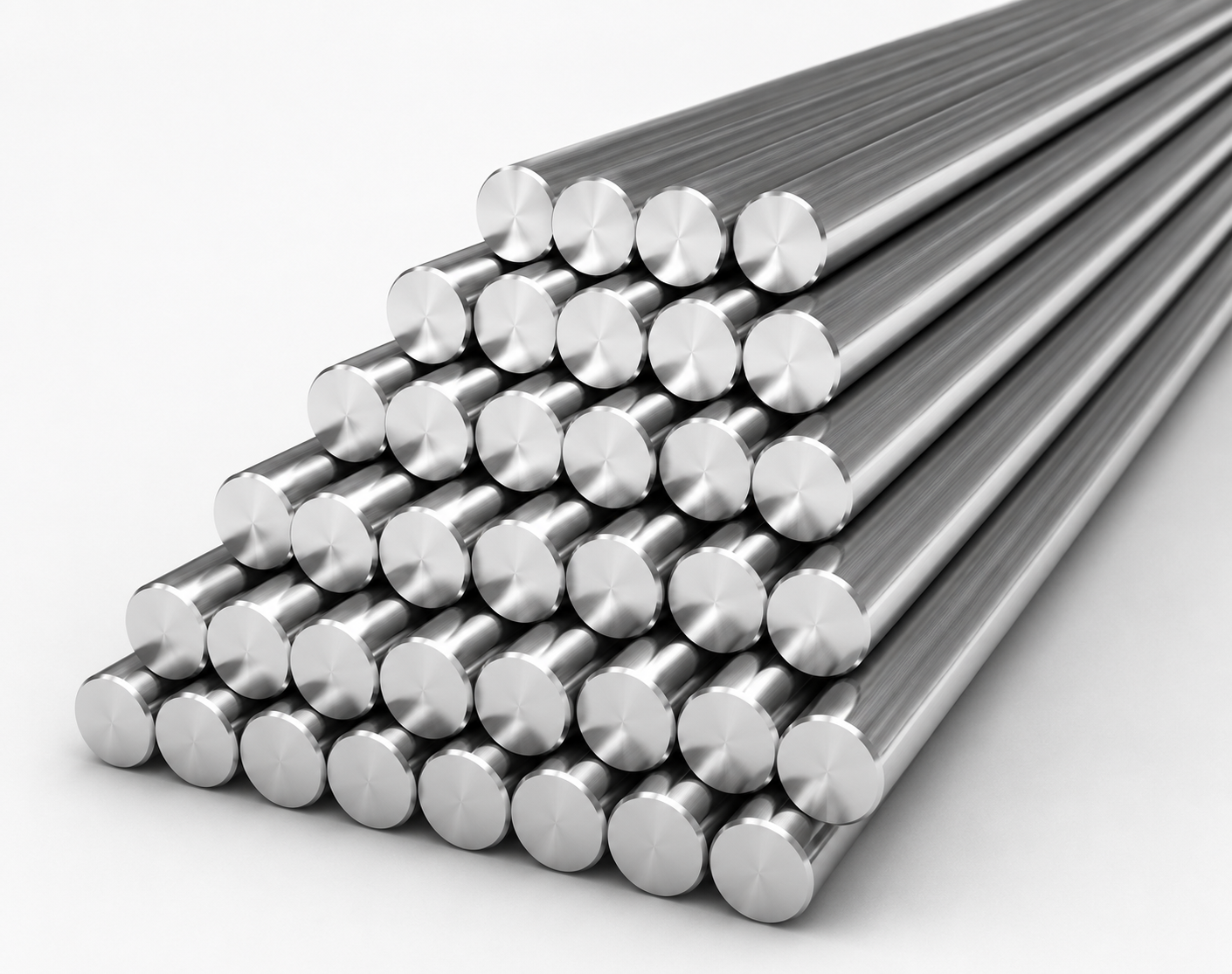
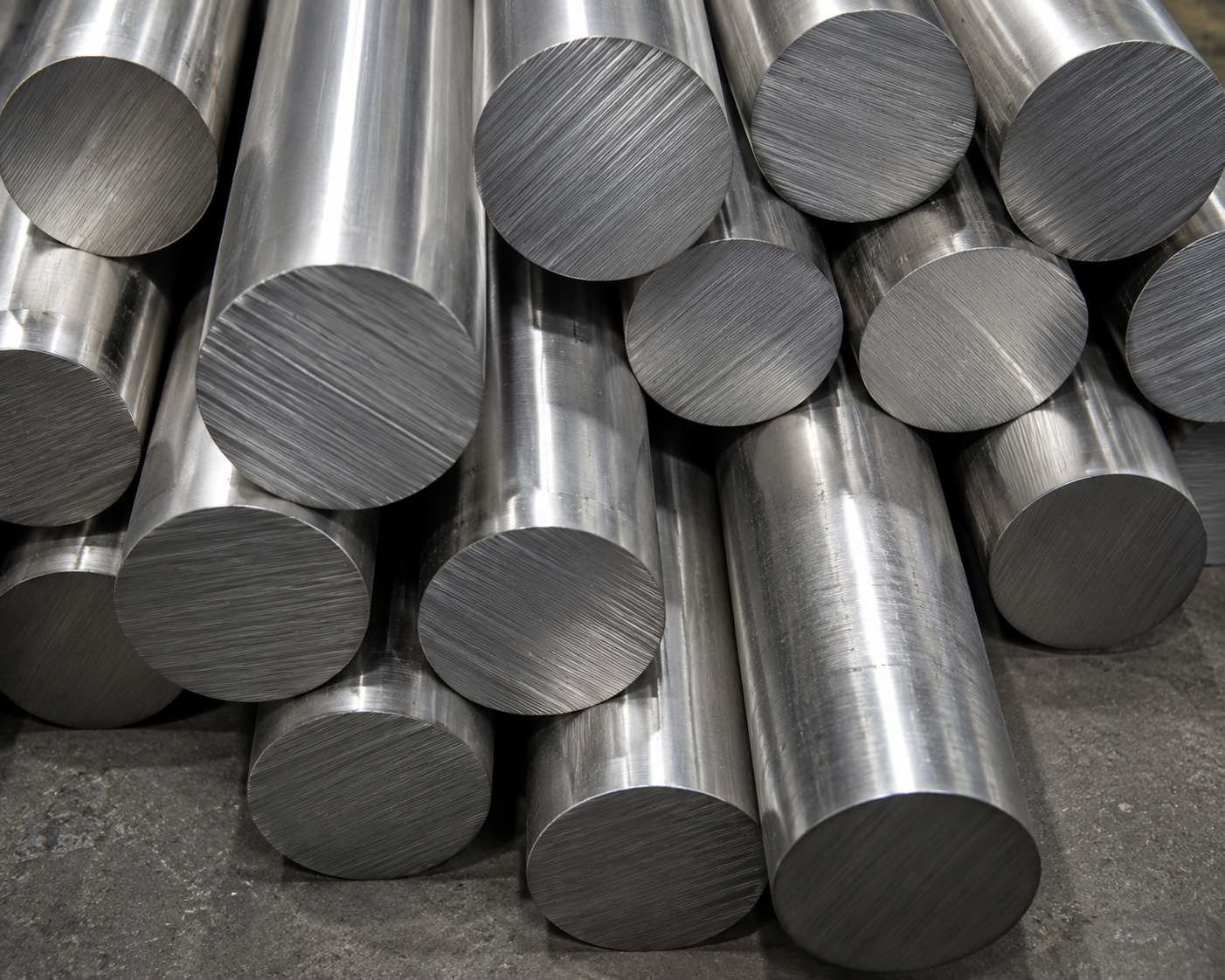
The material is used for manufacturing sheets, pipes, bars, and other products operating at high temperatures.
Features
Key advantages of steel 1.4731 / X40CrSi23:
- high heat resistance up to 1000°C
- excellent scale resistance
- resistance to oxidation in gas environments
- stability during prolonged heating
- good manufacturability
Heat-resistant steel 1.4731 is an optimal choice for operation in high-temperature and aggressive environments.