


What are non-ferrous metals and what properties do they have?
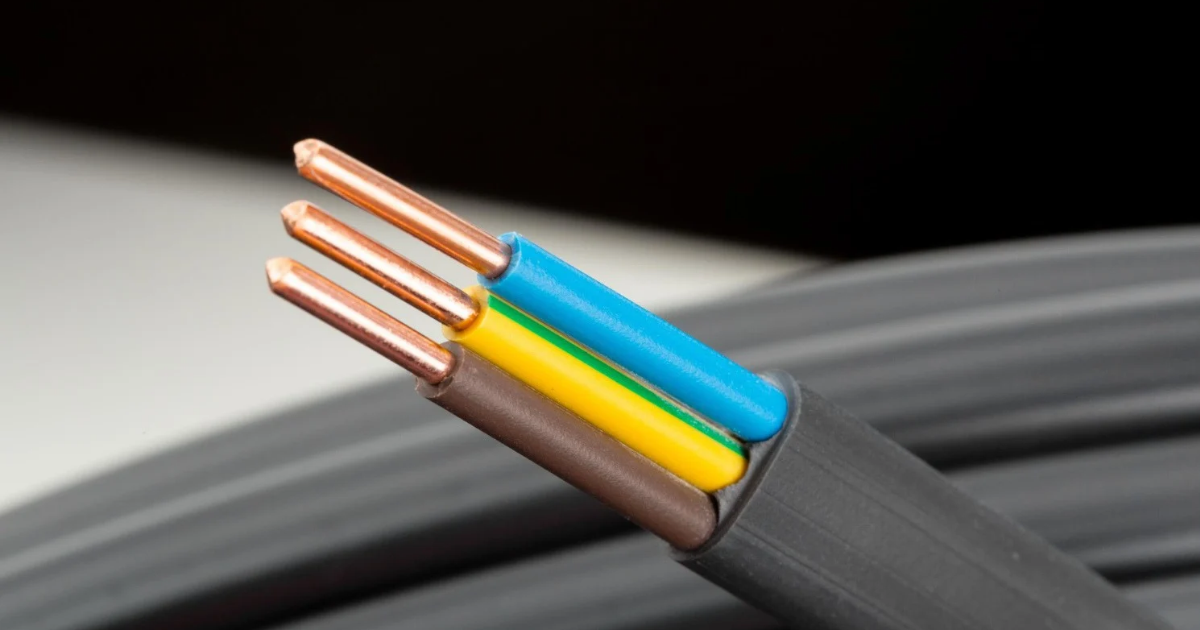
In materials science, the basic classification of metal products depends on the primary chemical element. If iron is the main constituent of a material, it belongs to ferrous metallurgy, which includes steels and cast irons. The answer to the question of what non-ferrous metals are follows the same principle. These are metals and alloys in which iron is not the primary constituent. Iron may still be present in the composition, but usually as an impurity or a specialized alloying addition that does not form the structural base of the material.
Differences in chemical composition determine how components made from non-ferrous metals behave. Carbon steel rusts when exposed to moisture. Non-ferrous metal products behave differently. Aluminum and titanium develop an oxide film when exposed to air. In aluminum, this film is only a few nanometers thick, yet under normal conditions, it provides reliable protection against further oxidation.
Copper develops a patina over time. In practice, non-ferrous metals are rarely used for load-bearing structures because of their high cost. Engineers choose them for their specific properties, such as high electrical conductivity, low weight, or resistance to aggressive environments.
Which Metals Are Classified as Non-Ferrous: Industrial Classification

There is no single universal classification standard. When determining the types of non-ferrous metals, engineers and metallurgists group them according to density, melting point, or chemical activity. More than twenty such elements are used in industry.
General Classification: Light and Heavy Non-Ferrous Metals
Metals are often divided into groups using a density threshold of approximately 5 g/cm³. The light-metal category includes materials widely used in the aerospace and automotive industries. Aluminum, with a density of approximately 2.7 g/cm³, is the basis for a wide range of lightweight components. Magnesium alloys, with a density of around 1.7 g/cm³, are even lighter, but their processing requires strict fire safety precautions. Titanium, with a density of approximately 4.5 g/cm³, also belongs to this group and is distinguished by its high specific strength.
Which metals belong to the heavy non-ferrous group? These include lead, copper, zinc, and tin. Using their alloys to build massive structural frames is generally impractical. They serve other purposes. Lead is used for radiation shielding and battery production. Zinc is used to protect steel sheets against corrosion through galvanization. Copper is widely used for heat transfer.
Rare, Refractory, and Precious Metals
Some non-ferrous metals can operate under extreme heat or exposure to aggressive chemicals:
- Refractory metals. This group includes tungsten and molybdenum. Tungsten, which has a melting point above 3,400 °C, is used to manufacture high-temperature heating elements and non-consumable electrodes for TIG welding.
- Precious metals. This group includes gold, silver, and platinum. The electronics industry consumes significant quantities of these metals. Gold is applied to connectors and contacts because its resistance to oxidation helps ensure reliable signal transmission.
Each group of non-ferrous metal products serves a distinct and essential purpose. Where conventional metals cannot withstand operating conditions, refractory and precious metals can continue to perform reliably.
Why Are Master Alloys Used in Metal Alloys?
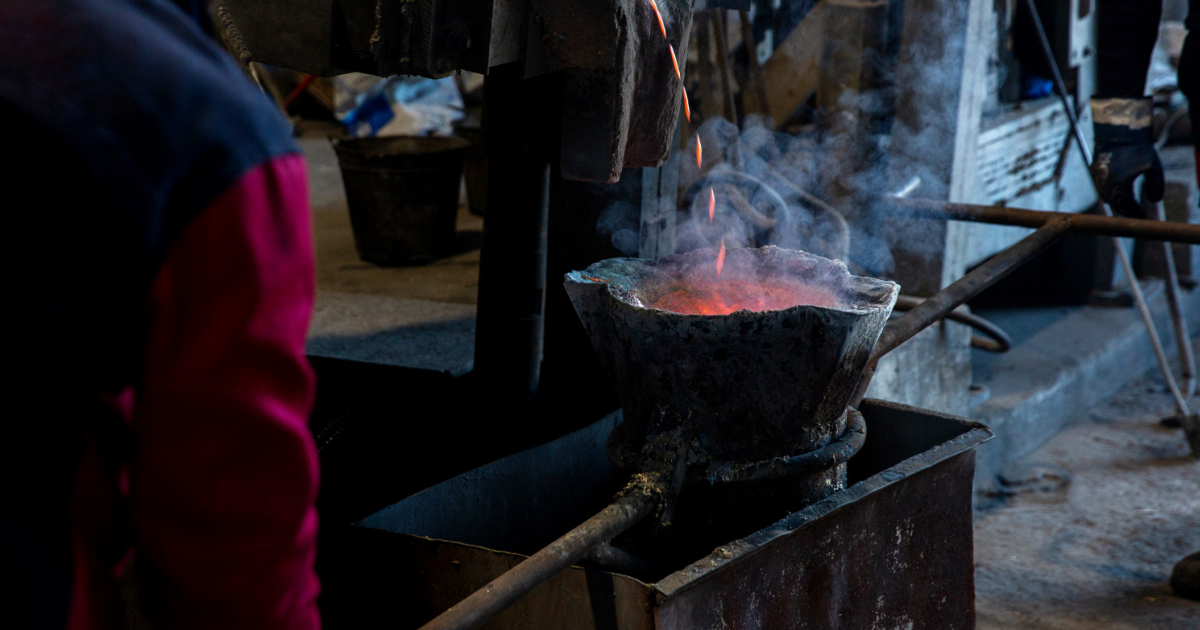
Technically pure metals often lack the required strength. To improve stiffness, corrosion resistance, or casting properties, the base metal is alloyed. Non-ferrous alloys are materials whose properties have been modified by adding other elements. The following are examples of metals and alloys used in industrial production:
- Wrought aluminum alloys (2xxx series). These alloys contain copper and magnesium as alloying elements. After appropriate heat treatment, they can achieve high tensile strength.
- Silumins. These are cast aluminum-silicon alloys. Adding silicon improves the melt’s casting properties, making it possible to produce complex shapes such as engine cylinder blocks.
- Bronzes and brasses. Both groups are based on copper. Brass, an alloy of copper and zinc, is well suited to turning and milling. Bronze alloys may contain tin, aluminum, or silicon to produce wear-resistant bushings and gears.
A properly selected composition improves strength, controls ductility, and provides the required processing characteristics.
What Properties Do Non-Ferrous Metals Have?

Directly comparing the properties of titanium and tin is not particularly useful. However, examining non-ferrous metals as a broader category reveals several common characteristics.
Thermal Conductivity and Electrical Conductivity
When selecting materials for heat dissipation or electrical contact assemblies, the choice often comes down to two main options: copper and aluminum. At room temperature, pure copper has a thermal conductivity of approximately 390 W/(m·K), while pure aluminum reaches around 220 W/(m·K). Carbon structural steel typically has a thermal conductivity of approximately 45–55 W/(m·K).
However, most impurities reduce electrical conductivity. As a result, manufacturers impose strict requirements on raw materials used to produce high-quality cables. They use oxygen-free copper, such as Cu-OFE, or high-purity copper grades such as M00 and M0.
Response to Magnetic Fields
Aluminum and copper are diamagnetic, while titanium is paramagnetic. Their response to magnetic fields is relatively weak. This property allows such materials to be used in applications where magnetic interference is undesirable, including navigation instruments. Non-magnetic materials are often preferred when designing rooms for MRI systems.
However, non-ferrous metals also include cobalt and nickel, both of which are ferromagnetic. This is why the common rule that non-ferrous metals are not attracted to magnets is not universally valid from an engineering perspective.
Chemical Inertness
Corrosion resistance always depends on the specific environment, its temperature, and the concentration of the substances involved. Lead can withstand contact with certain sulfuric acid solutions. Some nickel alloys demonstrate exceptional durability in aggressive alkaline environments where other metals deteriorate rapidly.
Where Are Non-Ferrous Metals Used in Practice?
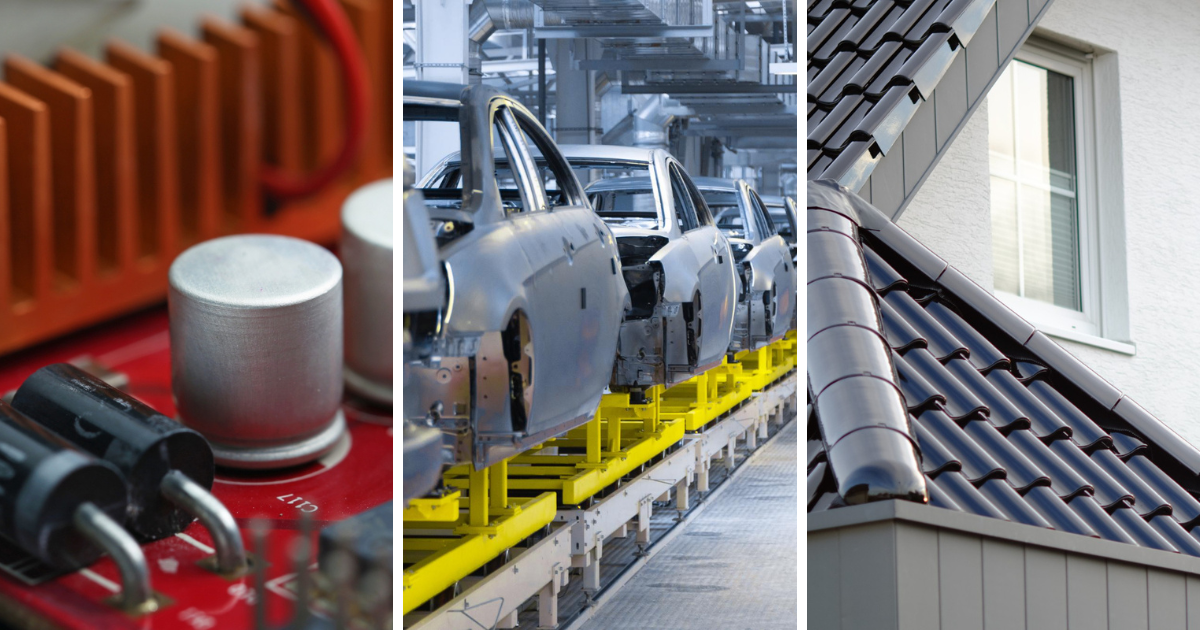
Non-ferrous metal products are used in the following industries:
- Transportation. Body panels in modern vehicles are stamped from aluminum alloys to reduce vehicle weight.
- Electrical engineering. The development of energy storage systems in Ukraine requires reliable conductors. Examples include copper busbars in battery assemblies based on lithium iron phosphate cells and aluminum aerial bundled cables (ABC) used in outdoor power distribution networks.
- Architecture. Aluminum profiles are used to install heavy facade glazing systems. Premium roofing applications may use copper or titanium-zinc alloys.
The range of applications continues to expand. Non-ferrous alloys are increasingly used in renewable energy and robotics.
Choosing Metal Stock: Processing and Installation Considerations
Metal procurement standards in Ukraine are being updated. Alongside GOST standards, engineers are increasingly applying DSTU EN standards. For example, the chemical composition of wrought aluminum is specified by DSTU EN 573-3, while the requirements for copper sheets used in construction are covered by DSTU EN 1172. The main challenges associated with these materials and alloys arise during processing.
Milling and Cutting Considerations
Machining aluminum alloys, copper alloys, and other metals requires the correct selection of cutting parameters. Titanium has low thermal conductivity. During drilling or milling, a significant portion of the heat is not carried away by the chips but instead accumulates in the cutting zone. This causes the tool to overheat. Without an adequate supply of cutting fluid and properly adjusted spindle speeds, drills can wear out or fail quickly. Soft grades of commercially pure aluminum and copper present a different challenge: their high ductility makes them prone to sticking to the cutting edge.
Welding Titanium and Aluminum
A conventional welding inverter with a consumable electrode is rarely used to produce high-quality aluminum welds. The problem lies in the difference between melting temperatures. Aluminum melts at approximately 660 °C, while its surface oxide film melts at temperatures above 2,000 °C. AC TIG welding is commonly used instead. However, welding titanium alloys requires strict shielding gas protection. Argon must protect not only the weld pool but also the surrounding areas as they cool. The most critical components are welded in specialized chambers filled with an inert atmosphere.
Didn't find a suitable product?
For more information, please contact us or leave your contact details and we will call you back.